

Letter to a Young Female Physician: Notes from a Medical Life by Suzanne Koven, MD is both instructive and empowering for a professional audience. The “young female physician” is Koven herself 30 years ago, and the memoir’s title comes from a New England Journal of Medicine op-ed she wrote that brought to light Imposter Syndrome (a perceived and misplaced self-doubt that high-achievers are unworthy of the confidence others place in them and that soon enough they will be found-out as imposters). A primary care physician, Koven creates a narrative that addresses issues facing women in medicine such as pay iniquity, harassment and sexism. While all of the above is plenty to keep readers in the clinical world engaged, the book’s success resides in something else—the way Koven approaches universal truths by examining and honoring the specific experience of her life as a woman and as a doctor. Going beyond the halls of the hospital and the titular “young female physician,” she creates a narrative sure to resonate with many.
Read moreEvery Deep-Drawn Breath: A Critical Care Doctor on Healing, Recovery, and Transforming Medicine in the ICU by Wes Ely, MD

Every Deep-Drawn Breath: A Critical Care Doctor on Healing, Recovery, and Transforming Medicine in the ICU by Dr. Wes Ely (Simon & Schuster, September 2021)
Every Deep-Drawn Breath chronicles Dr. Ely’s journey as a critical care doctor and in some ways, reads like a Hegelian dialectic, that is, an interpretative process that uses contradictory propositions to reach a firmer truth. His story begins with a thesis: a young critical care physician focused on saving lives in the Wake Forest intensive care units. “My aim with my patients was to get their broken systems back to functioning as they should,” Dr. Ely writes
Read moreThe Beauty in Breaking by Michele Harper

The Beauty in Breaking by Michele Harper
In the powerful memoir The Beauty in Breaking (Riverhead Books 2020), Michele Harper challenges us to examine the transformation of trauma and how painful experiences figure prominently in one’s past and present. In honest and contemplative language, Harper, a doctor and graduate of Harvard University and the Renaissance School of Medicine at Stony Brook University, courageously describes a challenging childhood that exposed her and other family members to ongoing outbursts of physical abuse. Dr. Harper gives insight into how this adversity informed her decision to pursue a career as an emergency room (ER) physician, one that now spans more than a decade working at various locations in Philadelphia and the South Bronx:
“Unlike in the war zone that was childhood, I would be in control of that space, providing relief or at least a reprieve to those who called out for help. I would see to it that there was shelter in the spaces of which I was the guardian.” (19)

Michele Harper has worked as an emergency room physician for more than a decade at various institutions, including as chief resident at Lincoln Hospital in the South Bronx and in the emergency department at the Veterans Affairs Medical Center in Philadelphia. She is a graduate of Harvard University and the Renaissance School of Medicine at Stony Brook University. The Beauty in Breaking is her first book.
In navigating this career of service, she regularly draws upon her resiliency to confront violence when caring for gunshot victims, responding to code blues, or de-escalating threatening patient behavior. Simultaneously, Dr. Harper impresses upon readers the extraordinary privileges of being a healer, as well as the difficulties of stewarding the distressing stories accompanying that role.
As Dr. Harper continues to meditate on her life’s milestones, including divorce, residency graduation and new leadership roles in the clinical world, she paints a sobering reality of her patients’ lives. In often invisible ways, society inflicts lasting and generational trauma that tends to be outside of individual control, especially for historically underserved populations. From the perspective of an African-American female physician, the author shares her reflections on heartbreaking interactions with young patients, like Gabriel and Jeremiah, both of whom she treats for head trauma:
“I suppose it’s a matter of faith whether or not we choose our starting ground before we’re born into this life. Some begin the journey on flat, grassy meadows and others at the base of a very steep mountain. One path, seemingly smooth, can make it nearly impossible for us to see the ditches and gullies along the way. The other, while painfully tough, can deliver what it promises: If you can navigate that path, you’ve developed the skills to scale Everest. It isn’t fair on many accounts; it simply is…All deserve the chance to speak and be heard and be touched. If we’re lucky, we’re touched at every station along the journey, and if nothing else, then at the end.” (137-138)
These carefully curated thoughts about her patient encounters challenge readers to critically think about the culture of blame and stigma towards those facing complex circumstances, an idea expressed succinctly by an ER social worker in the book: “When [people are] at war, the rules are different.” Dr. Harper highlights the continued ripple effects of systematic racial bias and other forms of discrimination in healthcare and beyond.
Still, the path to healing is complex. Dr. Harper herself claims no simple solution, knowing she has to navigate her own fraught path forward too. While contemplating reconciliation with her estranged father, she draws us in as readers interested in clinical encounters and how they may have an impact in our lives; she helps us understand the many complex ways patients offer invaluable wisdom too, if only providers choose to listen. In one interaction with a patient who is a veteran, Dr. Harper skillfully demonstrates how both she and the patient find liberation in acknowledging shared loss.
As an epidemiologist by training, I am reminded that there is always a human story behind the numbers. Narratives like Dr. Harper’s often transcend the limitations of quantitative metrics, such as incidence or rates, by offering a compassionate and instructive glimpse into the lives of those who are suffering. These stories raise important ethical questions about how we, as a medical and research community, should respond. In my professional and personal life, I hope to amplify these stories of oppression so they may be perceived at the same level of legitimacy as other forms of communication in order to spur organizational change.
The Beauty in Breaking is aptly titled, as the author/physician beautifully shows there is indeed beauty in the examination of the trauma one has experienced and struggled to overcome. Her storytelling brims with hope while contributing to a broader conversation about diversity and meaningful inclusion in medical training and beyond.—Brianna Cheng
Brianna Cheng has a MSc Epidemiology from McGill University, and completed a Narrative Medicine Fellowship at Concordia University. She now works as a consultant epidemiologist for the WHO. Her writing has appeared in Intima, Journal of General Internal Medicine, CMAJ Blogs and Families, Systems & Health. She currently serves as an Editor for the McGill Journal of Medicine. @withbrianna
You Will Never Be Normal by Catherine Klatzker

An instruction manual on falling apart to come together again, Catherine Klatzker’s frank memoir, You Will Never Be Normal, confronts the darkness with the enlightenment of telling. Klatzker, a retired pediatric ICU nurse of 22 years, weaves together a lifetime of repressed trauma and abuse with the laser-sharp humanity of an attentive RN. The story—and the author’s often wrenching rendering of it in flashback vignettes—is not the typical clinician-as-patient narrative but one that engages the reader to join her as she makes her way towards healing.
The embodied experience of an adult survivor of sexual and emotional abuse is one of shame, panic and confusion, and Klatzker tells it all with grace, sparing little in her exploration of the physiological manifestations of her own trauma such as insomnia and incontinence. We feel her suffering but also her professional detachment: It’s as if she’s conducting a thorough patient history of her own past.
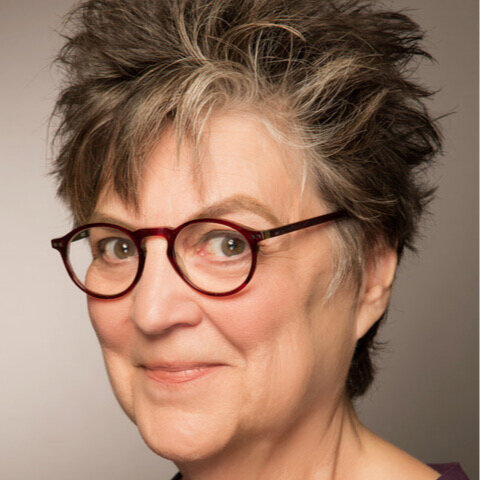
Catherine Klatzker is a memoirist, poet, wife, mother, grandmother, friend, meditator, a retired pediatric ICU RN of 22 years, and a member of the Authors Guild. Her work has appeared in Atticus Review, Intima: A Journal of Narrative Medicine, Emrys Journal, Lime Hawk Journal, The Examined Life Journal, Tiferet Journal and in mental health anthologies. Originally from the quad cities of Illinois, she now lives in southern California with her husband, delightedly nearby their children and grandchildren. Photo by Baz Here
Readers become familiar with the embodiment of her triggers as she welcomes us into the wounds of her intimate relationships. Klatzker’s family becomes our family, her partners our partners—and her demons become ours. “No one knew the extra layer of experience I brought to my own pain, to my own body, filtering my experience of myself,” she tells us. To cope, Klatzker mastered the art of dissociating into “parts,” or what she describes as “going away,” sometimes happening while she was at work in the hospital or at home caring for her child.
Learning about the causes and triggers of Klatzker’s Parts (or what is later labeled Traumatic Dissociative Identity Disorder) is a heartbreaking revelation throughout the memoir. “What I knew was gut-knowledge, stored in my body,” Klatzker states, and that knowledge unfolds in devastating and plain language, a subconscious realization oftentimes unfolding mid-sentence. Her Parts often take hostage of her mind at random moments, coming into play when she’s driving or during emotional interludes with her husband. Fragmented memories emerge in the many versions of herself she meets and refines over the years.
In unpacking precarious relationships, deaths, and more, Klatzker’s relationship with her psychotherapist is one that models seeing her as a whole person and not just the sum of her parts. “He spoke in language all my parts would understand, trying to get the same message across to all of us, so there would be no gaps.” The deep work they do together inspires readers to reflect on the way healing from trauma is rarely linear and never truly ends. Yet there is a sense of resolution to Klatzker’s bleak house of pain: In telling her story, she confronts her past and envisions the way to move forward. In the end, the book’s title takes on new meaning: You Will Never Be Normal is not a life sentence but instead an acknowledgement of difference and an acceptance of it.— Angelica Recierdo
Angelica Recierdo works as a Clinical Content Editor at Doximity in San Francisco, CA. She received her Bachelor of Science in Nursing from Northeastern University and her M.S. in Narrative Medicine from Columbia University. Angelica was also a Global Health Corps Fellow in 2016-17. She has worked at the intersection of health and writing/communications, specifically in the fields of healthcare innovation, health equity, and racial justice. Angelica is a creative writer, and her work can be found in Intima: A Journal of Narrative Medicine, Literary Orphans, HalfwayDownTheStairs and The Huntington News, among others. Her essay “Coming Out of the Medical Closet” appeared in the Spring 2014 Intima.
A Lab of One's Own: One Woman's Journey Through Sexism in Science by Rita Colwell, former director of the National Science Foundation

A Lab of One’s Own: One Woman’s Personal Journey Through Sexism in Science was published in 2020 by Simon & Schuster
By cleverly playing with the title of Virginia Woolf’s pivotal feminist essay, “A Room of One’s Own,” Rita Colwell informs us what this book will be about on its very covers. Colwell is a pioneering microbiologist and the first woman to lead the National Science Foundation. She is a Distinguished University Professor at both the University of Maryland and Johns Hopkins University’s Bloomberg School of Public Health. A professional rather than a personal memoir (although for a passionate scientist like Colwell, the two are one and the same), A Lab of One’s Own chronicles and humanizes the female experience in the scientific community over the last half a century.
There is much to admire in this account, co-authored by science writer Sharon Bertsch McGrayne. Riveting chapters describe Colwell’s groundbreaking fieldwork on cholera in Bangladesh, while the exciting role she played in the CIA’s efforts to find the person behind the Anthrax letter attacks in 2001 makes for a thrilling read. Still, it is Colwell’s well-documented female experience of the pursuit of science that elevates the book into a uniquely excellent read.
I was well aware of the fact that what we today easily identify as sexism was “simply the way things were” some fifty years ago, but I must confess I was truly shaken by reading about how far and deep this sexism went. I was distraught to find, in the very first chapter, a young, driven student being told by the late Austrian-born microbiologist and professor Henry Koffler: “We don’t waste fellowships on women.” I’m not certain what I expected, but I did not expect to read a story in which another scientist Robert Steiner simply didn’t allow Colwell to finish her talk at a symposium.
Nor did I expect to read how colleague Einar Leifson yelled at Colwell over post-conference dinner, asking loudly in front of the entire room whether her husband knew where she was and why she wasn’t at home and pregnant. I most certainly did not expect to read that Francis Crick, one of the men who claimed the Nobel Prize for the discovery of the molecular structure of DNA—with no acknowledgement that a photograph taken in chemist Rosalind Franklin’s lab was instrumental in the discovery—casually grabbed molecular biologist Nancy Hopkins’ breasts when they first met. Then there was the shock of reading that Hopkins, after having been a tenured professor, wasn’t allowed to teach a genetics class based on her own discoveries, but instead was asked to teach the material to her male colleagues who would lecture instead. The reason for the switch? She was told male students wouldn’t believe any science explained to them by a woman.
Two aspects of this memoir are striking.
First, Rita Colwell has no fear when it comes to name dropping. No matter who they are, how well-respected, how highly ranked, alive or dead, the men who were part of the agenda to keep women out of science are identified and quoted. Some, like Koffler, for instance, even had the opportunity to deny or at least apologize for their actions. (Koffler, who went on to be University of Massachusetts Amherst Chancellor, refused.)
Secondly, the memoir lacks bitterness. Colwell tells the story of her passage through the system, warts and all. But her tone is not vindictive. If anything, she uses every opportunity to focus on people, both men and women, who played key roles both in helping her personally, and in changing the world of academic science into a more fair and inclusive one. She never dwells on her achievements or toots her own horn: Instead, she dedicates pages and pages to other women who have themselves overcome many obstacles and, despite men, managed to make incredible contributions.

Rita Colwell
What’s fascinating about A Lab of One’s Own are the inside stories of how monumental events unfolded. She explains how the Women’s Equity Action League (WEAL) managed to file a class action suit against the University of Maryland as well as 250 other American colleges for sex discrimination, leading to the Educational Amendments Act of 1972. Focusing on the factual, strengthened by her personal observations, Colwell gives detailed accounts of landmark moments in gender equality, including the passing of Title IX, the phenomenon of the “revolving door” and the “Birgeneau Bump.”
Although the fight against sex discrimination and the gender pay gap is not over, the memoir ends with positivity. The book is at times quite a dense text, packed with names, titles, years. Colwell documented the careers of dozens of female scientists alongside her own, giving each one as much space on the page as she gave herself. As a true feminist, Colwell uses the gravity of her platform to give others a voice. A Lab of One’s Own is essential reading for all genders; however, women in the sciences will find the history especially eye-opening. —Alekszandra Rokvity

Alekszandra Rokvity is a Serbian-born writer and PhD candidate working on her doctorate between the Karl Franzens University of Graz in Austria and the University of Alberta in Canada. She specializes in cultural studies and medical humanities. Her academic interest lies in the experiences of women with endometriosis within the healthcare system. Her doctoral dissertation is a case study of endometriosis that explores the connection between gender bias in the medical community and the social discourse surrounding menstruation.
Ms Rokvity has previously taught in Austria, Canada, Vietnam and is currently teaching in Belgrade, Serbia. An avid activist for women's rights, she cooperates with various NGOs such as the London Drawing Group (UK) and Vulvani (Germany).
The Night Lake: A Young Priest Maps the Topography of Grief by Liz Tichenor

The Night Lake by Liz Tichenor, a compelling memoir about grief., will be published by Counterpoint Press on January 5, 2021.
From the opening pages of Liz Tichenor’s memoir, “The Night Lake,” there is no forewarning, no preparation for death’s arrival. Ms. Tichenor’s five-week old son, Fritz, cries constantly. She takes him to a local urgent care doctor who pronounces the baby is “fine.” Only six hours later, Ms. Tichenor and her husband awake in the middle of the night to find their infant son dead.
Read moreFinal Path: Poems by Ron Lands

Final Path by Ronald H. Lands, MD, was published by Finishing Line Press.
The death of a parent takes us into alien territory, a cold, silvery place we never could have imagined and a pain we never quite forget. As children, we revere our mothers and fathers; as teenagers, we loathe them, and it is only when one grows up, or becomes a parent, or goes through therapy, that a begrudging appreciation begins to form. Parents are truly the unknowable ‘other’ and the death of them startles the child in us, so much so that the adult in us is lost, with only a bewildering map of grief-behavior offered by outstretched, mostly sympathetic, hands. Inevitably, we feel as if much has been left unsaid. “Some apologies are unspeakable,” says poet Eula Biss in the essay “All Apologies” in Notes From No Man’s Land. “Like the one we owe our parents.”
Read moreAsk Me About My Uterus: A Quest to Make Doctors Believe in Women's Pain by Abby Norman

The budding of feminist activism in recent decades has accelerated the rise in literature that tackles the topic of the female experience. Illness memoirs written about, by and for women are a growing genre, and Abby Norman’s 2018 book Ask Me About My Uterus: A Quest to Make Doctors Believe in Women’s Pain makes a powerful contribution to the field. Telling a personal story about battling not only an illness but the entire medical system, Norman explores topics relevant for all, but especially for those who are ill.
The book is a brilliant blend of memoir and theoretical text, telling a compelling story of an unorthodox childhood and a life suddenly disrupted by a debilitating pain nobody believed was real. The story follows Norman growing up neglected by an anorexic and bulimic mother, absent father and abusive grandmother. As a teenage girl she becomes emancipated and aims to reinvent herself as a professional dancer while attending Sarah Lawrence College. Her ambitions are thwarted by episodic pain that becomes a permanent ailment controlling her life. There is a futile surgery and an endless string of hospital visits, during which she faces skepticism, doubt and dismissal by the medical staff, only to finally be diagnosed with endometriosis. Norman’s quest for answers leads her down an unlikely path of working in the healthcare system and eventually becoming a science writer and advocate for women with endometriosis.
Endometriosis, often regarded as an illness of the uterus due to the synchronization of the symptoms with the menstrual cycle, is one modern medicine has been aware of for centuries. Even so, there is still no clear cause for the illness, what influences its development or how to cure it, due to lack of research and the scarcity of information on the subject. What we do know is that the condition is estimated to affect one in ten women and can take up to ten years to diagnose. The main reason for the detrimentally slow diagnosis: Women seeking help aren’t believed to be experiencing the ailments afflicting them. The first assumption is that the patient is having psychological issues reflecting her inability to cope with the natural pain of menstruation. It is baffling that an issue as common as endometriosis is greeted with so much skepticism and appears to be of little to no interest to medical scientists.

Abby Norman. Discover more about this writer’s work here
Abby Norman asks the question “Why is this so?” She’s not alone in wondering, but what sets her apart is her creative way of illustrating the issue in an engaging, easily understandable text. Norman opens up many chapters with a comprehensive overview of particular medical cases or bigger medical studies dating back to the 19th century, effectively illustrating the history of the female patient. From illness explained as hysteria to the exclusion of women from medical trials and drug testing, the narrative illustrates that medicine is not only sexist but also how that sexism is often lethal for the female patient. Norman flawlessly transitions from factual to creative writing, using personal reflections and commentary as ways to segue into telling her own story.
Ask Me About My Uterus: A Quest to Make Doctors Believe in Women’s Pain is a memoir that educates as much as it entertains. The riveting stories of the author’s unusual life are cunning bridges between important analyses of the complex relationship between Western medicine and female patients. An interesting read for anyone wanting to be challenged by literature, the memoir offers significant relevance for women suffering from illnesses of reproductive organs. Its involving prose offers comfort as well as specific information empowering women to find their voices, take control of their illness and demand medical justice. —Alekszandra Rokvity

Alekszandra Rokvity
Alekszandra Rokvity is a PhD candidate working in medical humanities and cultural studies between the Karl Franzens University of Graz, Austria and the University of Alberta in Canada. Her academic interest lies in the experiences of women with endometriosis within the healthcare system. “It gives me no pleasure to confirm that my academic research has only proven what I've personally experienced and intuitively known: that there is relentless, systematic sexism present at the heart of Western medical practices which not only reflects the position of women in society at large, but seriously affects the care ill women are provided.”
This is Going to Hurt by Adam Kay
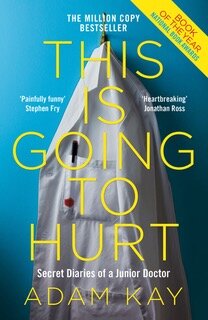
This is Going to Hurt by Adam Kay
This Is Going To Hurt is a memoir from British comedian, writer and former doctor, Adam Kay. The book, published by Picador in 2017, follows Kay’s journey from a junior doctor to senior registrar (or resident to attending physician) specializing in obstetrics and gynecology. The memoir is presented as a series of journal entries that he wrote throughout his former medical career, originally intended as a means of cataloguing intriguing clinical cases.
However, his recollections are far from formally academic: Kay’s unabashed bluntness allows for an unfiltered and honest reflection of his time working under the UK’s National Health System (NHS). The book covers a wide array of healthcare topics including the doctor-comedian’s thoughts on the NHS’s treatment of its doctors; his co-workers or “drug-dealing scrotes” that erroneously prescribe diuretics to dehydrated patients; and what he describes as “Eiffel Syndrome”—the common “I fell” etiology voiced by patients presenting with household items lodged in their nether regions. Kay’s wicked commentary keeps the reader engaged with risqué, crude humor that no practicing physician would (rightly so) feel comfortable dispensing.
A praise-worthy feature of Kay’s narrative is his inclusion of informative and equally entertaining footnotes on the bottom of each page to explain the medical terminology referenced in each account. This makes the book accessible to the non-medical reader, who will learn more than a thing or two about medicine by the time they’ve reached the last page. For example:
*APGAR scores are the standard measure of how well a newborn baby is doing—they get marks for Appearance, Pulse, Grimace, Activity and Respiration. It was devised by a doctor called Virginia Apgar, which makes me think that she chose arbitrary measures just because they fitted with her surname. Like if I decided that the best measures of a baby’s health were Kicking, Applauding and Yawning.
This Is Going To Hurt is steeped in themes of physician neglect, a topic of growing relevance in today’s healthcare climate, with increasing concerns over physician-burnout and resilience that have been elevated during the novel coronavirus pandemic. While the memoir’s title is a nod to the cliché that a doctor tells a patient before inflicting procedural pain, it also reflects the mental and emotional toll physician-hood took on Kay. In one example, Kay cites a traumatic case involving a patient with placenta previa, for which he received no support from the NHS after its devastating effects. The experience was a tipping point for him that led to depression and eventually prompted him to retire his white coat for good. Physicians, Kay reminds the reader, are just people too, something he believes healthcare establishments and patients often lose sight of:
“…patients don’t actually think of doctors as being human. It’s why they’re so quick to complain if we make a mistake or if we get cross. It’s why they’ll bite our heads off when we finally call them into our over-running clinic room at 7 p.m., not thinking that we also have homes we’d rather be at. But it’s the flip side of not wanting your doctor to be fallible, capable of getting your diagnosis wrong. They don’t want to think of medicine as a subject that anyone on the planet can learn, a career choice their mouth-breathing cousin could have made.”

Author, comedian and former doctor Adam Kay.
Still, he gives equal time to the rewarding feelings he experienced when helping patients, delivering babies and treating couples with infertility issues. At trying times, it made him feel like a “low grade super-hero,” and it was this sense of satisfaction and purpose that allowed him to continue being a doctor for as long as he did. He finally summarizes his medical career with both dreariness and heart:
“The hours are terrible, the pay is terrible, the conditions are terrible; you’re underappreciated, unsupported, disrespected and frequently physically endangered. But there’s no better job in the world.”
Adam Kay’s memoir is an entertaining account of a physician-turned-comedian’s triumphs and struggles through their medical career. His new children’s book, Kay’s Anatomy: A Complete (and Completely Disgusting) Guide to the Human Body, will be available this year.—Fredrick Martyn

Fredrick Martyn
Fredrick Martyn is a Canadian writer, poet and medical student at The George Washington University School of Medicine and Health Sciences in Washington, D.C. This summer he will be beginning his residency training in family medicine at Western University in Ontario, Canada. He is a contributing writer for the medical satire website Gomerblog, as well as other online humor publications including Points In Case, Slackjaw and Little Old Lady Comedy. He also acts as a director for his medical school’s comedy show and can sometimes be found performing his poetry at Busboys & Poets, in D.C.
Tender Points by Amy Berkowitz
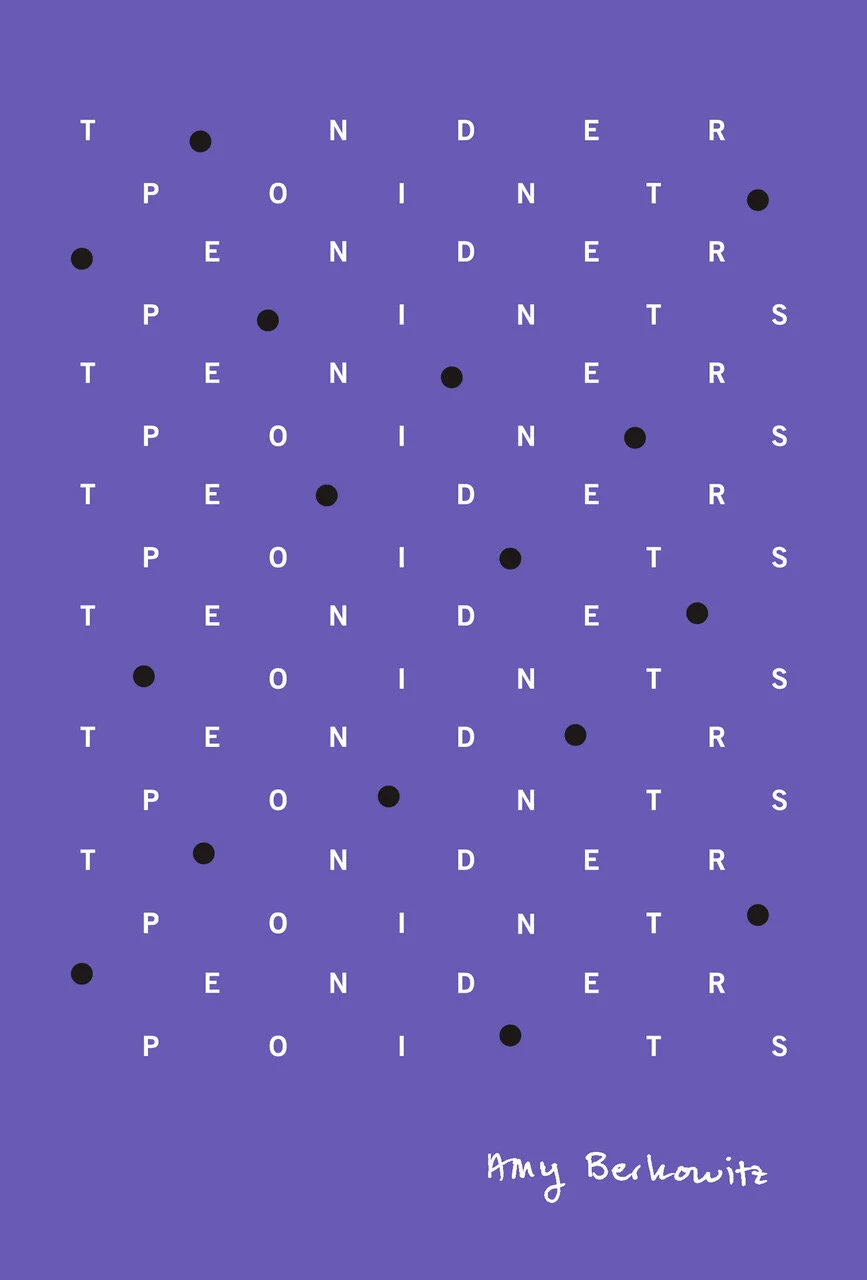
Tender Points by Amy Berkowitz was first published by Timeless Infinite Light in 2015; a new edition from Nightboat Books includes an afterword by the author.

Amy Berkowitz is the author of Tender Points. Other writing has appeared in publications including Bitch, McSweeney’s, and Wolfman New Life Quarterly. amyberko.com.
Tender Points by Amy Berkowitz is a personal account of life with Fibromyalgia (FM), a condition that the author has and uses to explore topics frequently associated with the disease. The book, then, is also an account of terror, sexual violence, enduring, overcoming, adapting, being unbelieved and ignored. It is a book is about being a woman in a patriarchal culture.
Berkowitz’s essayistic nonfiction blends poetry, “listicle” summaries of a-day-in-the-life with chronic pain, segments from FM discussion boards, and reflections on historical discussions of pain and women’s health. Throughout, she demonstrates incisive wit and a tight control of language. Culturally wide-ranging, she draws on (among others) Freud, fiction writer Richard Brautigan, Sarah Winchester, the Riot Grrl punk-music movement, and Sex and The City, to texture and color and sound her work. Though each component only spans a single or handful of pages, she arranges every part to create a connected story. Thus the author leads us down a hallway of her own perspective on chronic pain. She is saying: I am a full person, with multidimensional ideas and arguments, and I suffer from chronic pain.
In the midst of this tour, we learn Berkowitz was raped at a young age by her pediatrician. It’s while remembering the incident years later that she began experiencing the symptoms of FM. At a later point an expert on sexual violence asks her if she was raped, and Berkowitz replies: “I don’t know.” The answer comes as a surprise; it is not immediately clear to her why she answers this way. “Who can argue with a stethoscope?” she writes. This invokes questions so often surrounding women as victims of rape, sexual violence, and toxic masculine cultural norms: why did she wait so long? Why did Dr. Christine Blasey Ford not speak up sooner? Or the accusers of President Trump or Harvey Weinstein? Why can’t a victim tell all the details clearly? Can we believe her? Throughout Tender Points, Berkowitz answers these questions through her story.
The author deftly uses form to underscore her sentences. Ample blank space throughout the book—some pages only have a few words—reminds us that pain can be as much about absence as it is about presence. Absence, in the sense of not being seen or heard, is part of everyday reality for many people suffering from chronic pain. Alternatively, absent from most people’s lives is relentless suffering and stress. The freedom that comes from pain’s absence is not something those with chronic pain can know.
Yet for all her truth telling, Berkowitz reaches some questionable conclusions about physicians and the field of medicine. For example, she uses Carl Morris’s Culture of Pain as a touchstone, equating the historical view of hysteria with the way we currently view FM, as a diagnosis in which mostly male physicians can imprison poorly understood female patients. She also revisits one of Morris’s more contested points, that pain should be viewed as a mystery, rather than a puzzle to be solved. This is a false dichotomy: a both/and approach is typically employed for poorly understood medical problems. Pain is a mystery and a puzzle, and it should be approached with deference to both. After all, as a result of problem solving and refusal to see it as purely a mystery, Hysteria has become (mostly) a bygone medical diagnosis.
But none of these dead-ends limit the power and utility of the book. Tender Points immerses the reader in the experience of someone who is suffering from chronic pain. Each page turns us to see, hear, feel, and gradually understand that experience. It’s not always clear, it’s not always clean, but it always crackles with bright personal truth.
In healthcare, many of us know we should believe women, and believe those with chronic pain. But clinical conditions mandate skepticism beyond the purely intellectual, and we are generally required to face a problem as a balance of both/and: believe and question. But we must do a better job at understanding the experience of those with chronic pain and FM to inform that balance.
I spent time listening to some of the bands Berkowitz references in her book. The song “Rebel Girl,” by Bikini Kill carries these lyrics: “When she talks, I hear a revolution.” The fulcrum of this line is “she talks, I hear.” That alone is a revolution for many of us, because hearing is necessary for understanding. And reading Tender Points is an excellent way of hearing—of listening—to better understand women with chronic pain and Fibromyalgia.—Britt Hultgren

Britt Hultgren. Photo by Allison Coffelt
Britt Hultgren is a resident physician with the University of Utah Department of Family and Preventive Medicine. Selected publications include The New England Journal of Medicine and a feature-series in Jordan Business Magazine.
The Undying: Pain, vulnerability, mortality, medicine, art, time, dreams, data, exhaustion, cancer, and care by Anne Boyer

The Undying by Anne Boyer
Poet and essayist Anne Boyer explores the physical, cultural and social experience of breast cancer in The Undying (Farrar, Straus and Giroux, 2019). The book, part philosophical essay, part cancer memoir, part critique of modern medicine, moves in loose chronological fashion from Boyer’s diagnosis at age 41 with one of the deadliest kinds of breast cancer through her treatment and eventual cure. The book is divided into short sections collected into chapters with interesting titles like “Birth of the Pavilion,” about the center where she receives treatment, and “How the Oracle Held,” which refers to a quote by the Greek orator Aelius Aristides, whose cure relies on dreams sent to him by the god Asclepius, and whose Sacred Tales, is a record of this experience, in effect an early illness narrative.
In addition to Aristides, Boyer also situates herself among other women writers with breast cancer, many of whom died from it. Boyer’s cure relies not on dreams but on modern medicine, or what she calls a “capitalist medical universe in which all bodies must orbit around profit at all times.” She describes the dehumanizing nature of this universe in several ways, such as that diagnosis “takes information from our bodies and rearranges what came from inside of us into a system imposed from far away,” and that cancer detectors have names “made of letters: MRI, CT, PET” which turn a person “made of feelings and flesh into a patient made of light and shadows.”
When writing of her own life, Boyer’s prose evokes the style of author Lydia Davis in its crispness and specificity, its ability to rest on the cusp of poetry, fiction and nonfiction, such as in the passage: “The day I found it, I wrote the story I was always writing, the one about how someone and I had been together again, how we shouldn’t be, and how I hoped we might finally be able to stop being together soon.” Boyer, like Davis, comments about the difficulty of writing, of the inexpressibility of the pain of cancer treatment and the exhaustion that also accompanies it. The trouble finding the right words and putting them together into sentences to express these feelings, when there are none that are adequate, becomes part of the narrative.
Despite this difficulty of expression, there is much that Boyer is clear about on the subject of breast cancer, and much of it angers her: the lack of progress in breast cancer treatment; the profits made from the pink ribbon campaign; the exploitation by big Pharma and corporate medicine of a disease that mainly effects women; the brutality, costs and environmental effects of cancer treatment. She is especially incisive in pointing out the ironies and contradictions of breast cancer treatment, such as when she writes: “People with breast cancer are supposed to be ourselves as we were before, but also better and stronger and at the same time heartwrenchingly worse. We are supposed to keep our unhappiness to ourselves but donate our courage to everyone.”
The Undying leaves the reader with an understanding of issues surrounding breast cancer, and an empathetic sense of Boyer’s struggles and the immense energy and strength it took for her to survive and to write this multi-faceted book.—Priscilla Mainardi

PRISCILLA MAINARDI, a registered nurse, attended the University of Pennsylvania and earned her MFA degree in creative writing from Rutgers University. Her work appears in numerous journals, including Pulse - Voices from the Heart of Medicine, the Examined Life Journal, and BioStories. She teaches English Composition at Rutgers in Newark, New Jersey and has served on the editorial board of Intima since 2015.
RX: A Graphic Memoir by Rachel Lindsay
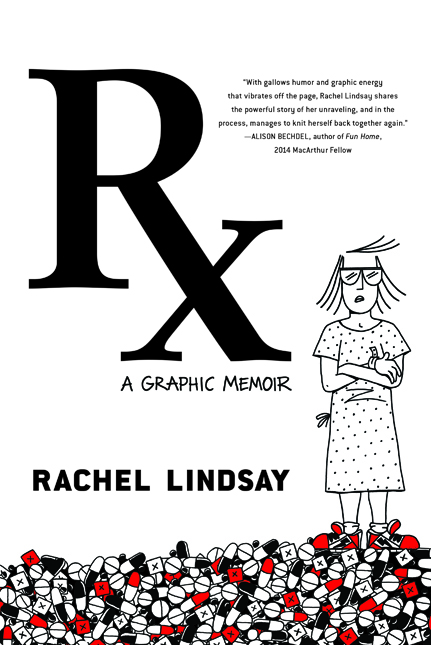
Though much is taken, much abides: RX: A Graphic Memoir on corporate America and bipolar disorder
RX: A Graphic Memoir by Vermont-based cartoonist Rachel Lindsay is a memoir borne out of passion, determination, and commitment. Each chapter is short and episodic, and provides a chapter in the story of her unraveling: her time committed to a mental health institution and how she got there. Lindsay writes with a wry dark humor about her struggles to maintain stability with bipolar disease while working in a corporate job.
At nineteen, Lindsay was diagnosed with bipolar disease, a mental illness characterized by episodes of mania and depression. Staying sane becomes her primary objective and the medication her psychiatrist prescribes her helps keep her sane. Lindsay describes this rhythm of her sanity in three panels like a mantra: “Chug. Crush. Toss.”

Rachel Lindsay
Lindsay, whose comic strip, “Rachel Lives Here Now,” about her life as a New York transplant in Vermont, appears weekly in Vermont’s statewide alternative newspaper, Seven Days , has created a memoir that serves as a timely narrative for what many are experiencing in the United States. For the author, as with other Americans with pre-existing conditions, her corporate job is a means to an end, providing her with health insurance and prescription medication coverage. Despite feeling unhappy at her work, she continues at her job. She gets a promotion, which means she gets thrust into the corporate pharmaceutical world and works on a marketing campaign for an antidepressant, Lindsay continues to feel even more trapped.
As a graphic memoir, Lindsay’s style is frenzied, a visual staccato beat that moves her narrative along. The lack of gutter space makes the narrative feel overwhelming at times, yet each panel is concise and detailed. Often metaphorical, her chapters begin with a reflexive lens into the story. In one, she appears in a straitjacket. In another, she’s an “urban badass” ripping her way out of wall graffiti to symbolically step on the dead wind-up toy of her in the first chapter, sunglasses on, smoking, and giving the finger.
RX is also a book about a millennial, a millennial with a mental health condition. Trying to find balance between where you are and where you feel you ought to be, I identify well with that feeling. At a party in Brooklyn in 2010, a partygoer says to Lindsay, “Screw your corporate job and really commit yourself to your art. You’re really talented!!” And throughout her memoir, she struggles to find a creative outlet while maintaining her corporate veneer. Quite literally a wolf in one chapter, dressed in sheep’s clothing, she shows us the precariousness of just passing. And its toll on her mental health.
In her interactions with the system, whether this is the healthcare system, the corporate capitalist system, or the criminal justice system, the graphic writer echoes the frustration and hopelessness of feeling trapped. This shapes her story. The day after she is committed, Lindsay sits alone in a cell. “It’s easier to be angry than sad,” she writes. “Despite the psychiatrist I hadn’t stopped seeing, despite the pills I stopped taking, I sat tagged and overmedicated in a new prison – …waiting to be corrected to fit someone else’s definition of sanity.”
The memoir ends with recognition of the system she is beholden to—though much is taken, much abides. She writes with insight from her struggles with sanity and insanity and the work it has taken to get her to today. Lindsay dedicates the book to Burlington, Vermont, where she currently resides. Though her ending feels abrupt—How did she get where she is now? What happened after moving back in with her parents? What headspace is she in now? —Lindsay writes with calmness, reflection, and grace. This book is a testament of her voice.—Jane Zhao

Jane Zhao
Jane Zhao is a lover of comics because when she has no brain or patience for words, she can escape into image. She is a graduate of the Narrative Medicine program at Columbia University and studied neuroscience at McGill University. She currently works in research in Canada. Talk to her about poetry, Donna Haraway, health policy, and muscle pain.
Gather the Night by Katherine DiBella Seluja

Gather the Night by Katherine DiBella Seluja
“A schizophrenic is no longer a schizophrenic…when he feels understood by someone else” reads the epigraph on this quietly powerful book of poetry by pediatric nurse practitioner Katherine DiBella Seluja. The words come from Swiss psychiatrist and psychoanalyst Carl G. Jung and introduce the reader to the emotional heart of the book, which movingly reflects the facets of the writer’s life, as a clinician, poet and understanding sister to a brother named Lou who lived with schizophrenia and substance addiction.
The slim volume, published by the University of New Mexico Press, is divided into four sections: Time Travel; Free Concert; Sing to Me; and Stars Speak. Each section starts with a short free-form prose poem in an imagined voice, perhaps that of Lou’s, drawing a vivid visual tableau. In terms of overall structure, the book has a narrative arc that spans from childhood through adulthood, from beginnings to endings. Some poems are tales of families and communities dealing with mental illness in everyday life and in startling moments of illness and death. Throughout, Seluja, whose poem about Parkinson’s, “Not Every Homemade Thing,” appeared in our Spring 2017 issue, brings her vivid language, compassionate affection, deeply-felt visions and clinical observations into poems that transport readers close to the tragedies and the moments of inspiration, as well as the experience of grief and acceptance, as she receives and perceives them.
One of the most original and skillful aspects of this collection is that we hear more than the poet’s voice on these pages: Seluja has said that Gather the Night includes “prose poems and persona poems that express the voice of psychosis, the voice of addiction and Lou’s imagined voice.” While each poem stands solidly on its own, reading from beginning to end increases the intensity of the connection with the people, places and things in it. In Time Travel, for instance, we see neighborhoods and neighbors, some sly and seductive (Reynaldo in “Chiquita”) and some down-to-earth and welcoming (Scottie, the grocer and Mrs. Gratzel, the baker’s wife in “Local Grown.”). We see the pummeling a sister gets from a brother in the name of karate practice in “Kata,” or the way a mother delivers bad news in “Storm Hymn”:
One thin crack in the plastic sign
on the locked ward door
Winds its way through
Authorized Personnel Only
like a branch of the Hackensack River
where we used to play.
Dried mud thick on our shoes
split in so many places,
our mother’s face when she said,
We just admitted your brother;
he told us his crystals were melting.
Waiting for the orderly to turn his key
I turn back to our winter childhood refuge
under the cellar stairs.
We were base camp
guardians of snow
charted drift and temperature
graphed hope for Sunday night storms.
Now gray clouds
and Thorazine doses increase,
he wanders the blizzard alone
no guide rope tied to the door,
unique as each stellar dendrite
no two of him alike.
Along with the concrete, graceful imagery of the poems, we also receive information about illness and madness—and how the clinical world handles it, especially in the second section, Free Concert. We hear from a doctor in “The Psychiatrist Said” (“It’s [the schizophrenia] all a matter of proteins/We’ll have it cracked in three to four years”), while we glimpse inside a medical facility in “Spinning with Thorazine.” We witness Seluja’s ambitious way of contemplating and confronting the big-picture issues of care in poems such as the ironic “The History of Healing” (“It began as a huddle of knowers, passed through oral tradition/those who could ‘heal’ and those who at least attempted”). The chilling “When Your Son is Diagnosed in the 1960s” notes an earlier era’s method of treatment and causes (“His psychosis is tied to your mothering/and it’s time to cut the chord, be careful of the sting”).
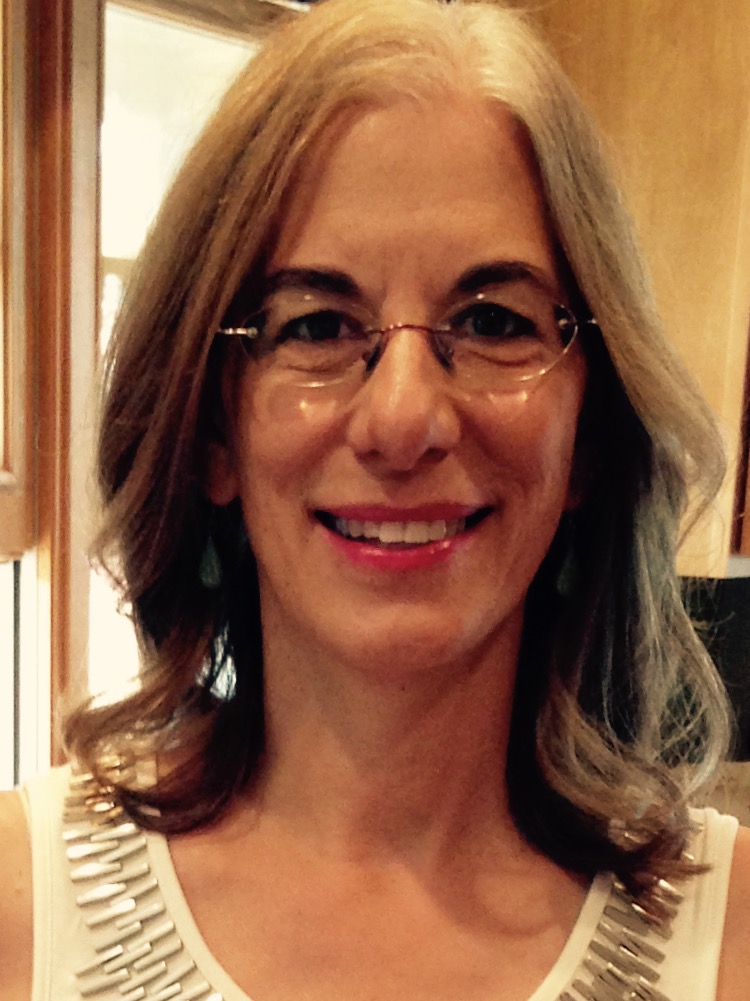
Katherine DiBella Seluja
Throughout it all, we get to know her brother Lou, a musician whose mandolin is elegantly described in “She Wore Opals at Her Neck” (“He fell in love with the mahogany curve/her hip and polish/the rosewood waist/and the way her neck fit to his palm”). Seluja expresses not only the affection and love she feels for him but also the wounds and wreckage that comes from a closeness with someone experiencing schizophrenia. There’s a complex layer of emotions at work here, that spans from caring and fearful to raging and raw, especially in the short “Telephone, 4 a.m.” where the resignation and anger in lines like “What if there were a box to keep him in/somewhere to store him away/to bring out with rainy weather/Then you’d have time to listen, unravel every line” comes through. In many of the poems in the Sing to Me third section, we intensely feel the frustration and fear for a loved one in peril.
In the final section, Stars Speak, poems turn elegiac, mourning Lou’s death. Again, the poet displays a skillfulness is accessing and expressing the complexity of emotions that accompany the death of a sibling. In “News of a Brother’s Death,” we feel the matter-of-fact reality of it (“Don’t kid yourself/it’s nothing like a movie”) while “Wanderlust” explores the way that Lou lives on in the tiny details of a life (“Find me/in the weave of my brother’s shirt/in the tread of mud on the floor”). Seluja mines sadness and strength in startlingly beautiful poems, “Here Among the Ruins” and “If You Need a Wall.” And it feels as if she’s composing a way to live in the world when there’s a significant loss in “Do Our Ancestors Listen When Called” that ends:
My heart is occupied with the ones I’ve lost, each with its own
celestial sphere, their pulse echoes the meridian.
I keep rearranging you like a favorite satellite, dragging you
into good orbit, your solar panels deployed to the stars.
Gather the Night ambitiously takes on the task of speaking about loss, addiction, madness, grief and love, bringing us into its intimate confrontations. We emerge from reading it with a deeper understanding of all of the above, a sense of wonder at the way we get through the harder, harsher aspects of our lives, and an appreciation for poets and nurses like Seluja who guide the way.—Donna Bulseco
Donna Bulseco, MA, MS, is a graduate of the Narrative Medicine program at Columbia University. After getting her BA at UCLA in creative writing and American poetry, the L.A. native studied English literature at Brown University for a Master's degree, then moved to New York City. She has been an editor and journalist for the past 25 years at publications such as the Wall Street Journal, Women's Wear Daily, W, Self, and InStyle, and has written articles for Health, More and the New York Times. She is Managing Editor of Intima: A Journal of Narrative Medicine.
Quite Mad: An American Pharma Memoir by Sarah Fawn Montgomery

Quite Mad is at once a well-organized history of mental illness, especially with regard to women, an examination of the role of the illness narrative, and a fascinating memoir of a woman’s struggle.
Read moreNarrative in Social Work Practice: The Power and Possibility of Story. Edited by Ann Burack-Weiss, Lynn Sara Lawrence and Lynne Bamat-Mijangos. Foreword by Rita Charon
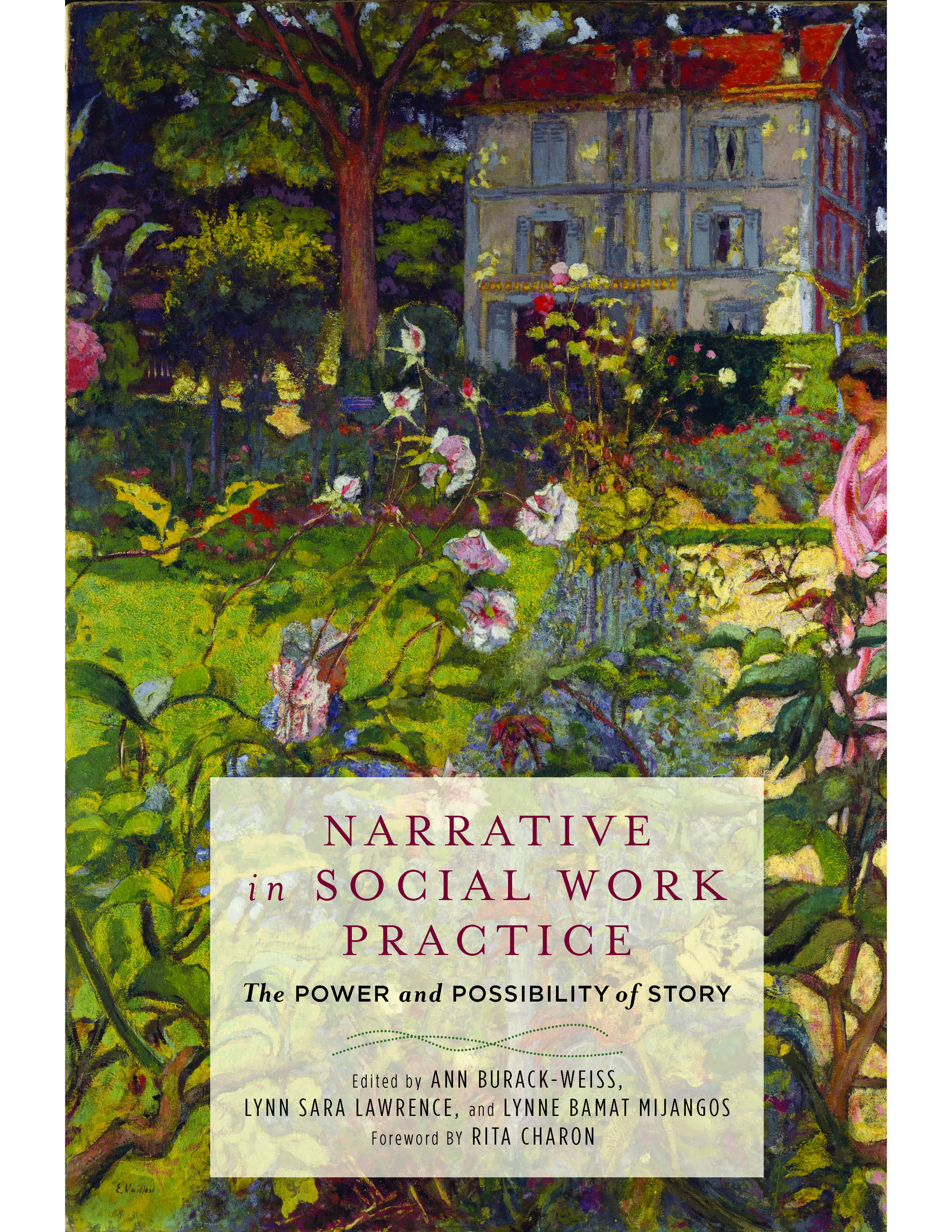
Narrative in Social Work Practice: The Power and Possibility of Story by Ann Burack-Weiss, Lynn Sara Lawrence and Lynne Bamat Mijangos.
She is 7. She is small…yet she fills the entire room…this child…has been raped... But she is still sturdy, she still smiles…this child of 7 is a giant, a superhero." —Social worker Kristen Slesar, writing about a young client
“My mother and I are on our way to the store. A gnome, dressed in curly-toed shoes, striped stockings, and pointy cap, waits on the sidewalk. He tries to pinch me. My mother cannot see the gnome. I try to hide, wrapping myself in her skirt…” —Social worker Lynne Mijangos, describing a dream she had
In a wonderful new book, Narrative in Social Work Practice: The Power and Possibility of Story (Columbia University Press, 2017), editors Ann Burack-Weiss, Lynn Sara Lawrence and Lynne Bamat Mijangos have gathered intimate, first-person accounts by social workers who have found creative ways to integrate narrative techniques into their work.
In some chapters, the social workers describe how they have developed and used narrative interventions with a wide range of individuals, families, and groups facing a variety of life challenges. In others, they share how they have turned their narrative skills inward and used them to deepen their self-understanding. In each instance, they use the tools of narrative training—close reading, attentive listening, reflective writing, and bearing witness to suffering —to help themselves and others confront and overcome external and internal barriers.
In one chapter, social worker Lauren Taylor uses psychotherapy and oral history to help clients find deeper meaning in their lives. Taylor describes her work with Marvlous, an African American woman who is depressed and in pain. As they talk, Taylor realizes that this sharp 95-year-old is a living historical archive. Working together, Taylor helps Marvlous, who at first thinks she has nothing much to say, recount and preserve the story she and her ancestors played in African American history. Taylor also describes her work with Joe, a 68-year-old man who is contemplating suicide. In the course of their work, Joe, who always dreamed of becoming an actor, writes and performs in a triumphant one-man show about his life.
Demonstrating the cross-border potential of narrative medicine, Benaifer Bhada talks about the narrative work she did with HIV-infected truck drivers in Kenya, and how participation in the group helped the men overcome feelings of shame and isolation, enabling them to seek appropriate treatment.
What do these stories have in common? In eloquent fashion, they all demonstrate how sharing our stories can help us break out of isolation and find our voices and our communities—at every stage of life —even as our bodies and cognitive abilities begin to deteriorate. Working with adults with dementia, Mary Hume uses poetry, co-constructed by the group, to express themselves, affirm their own value and continue to participate in their community:
“I like the smell of lilacs in May time;
For me that’s the best playtime
I like to bake crullers that are bestsellers
I like to throw confetti when they’re serving spaghetti…”
—Social worker Mary Hume, co-creating poetry with clients in dementia care
Some readers will want to dip in and out of these stories, which will give them a sense of the benefits of narrative practice in social work. But once one starts reading the stories, it's hard to skip around and instead read straight through. Each story is rich in its unique details and emotional truthfulness, making the book hard to put down.—Nelly Edmondson
NELLY EDMONDSON is a graduate of the Narrative Medicine Master's program at Columbia University. She also is an award-winning editor and writer with extensive experience covering medical topics for print and online outlets. In addition to serving as a staff editor at publications such as Weight Watchers Magazine and Ladies’ Home Journal, she has written articles for the The New York Times, Parents, MAMM Magazine, as well as medical-school websites and publications such as Einstein Magazine and The Chironian. http://www.nellyedmondson.com
Crossing Paths by Paolo Montalto, MD

"Organ transplantation always results in a crossing of paths: there is a life that ends and another that regains vital energy: hours of anguish and despair on the one hand, of apprehension and joy on the other. A cruel but inevitable crossing." These are the words of Dr. Paolo Montalto, a gastroenterologist who graduated from the University of Florence's Medical School after studying at the Hepatobiliary Unit of the Free Hospital in London.
Read moreThe Bright Hour: A Memoir about Living and Dying by Nina Riggs
“Nothing so concentrates experience and clarifies the central conditions of living as serious illness,” wrote Harvard psychiatrist Arthur Kleinman, and nowhere is that idea more evident than in a new memoir entitled, The Bright Hour: A Memoir of Living and Dying (Simon & Schuster, 2017) by Nina Riggs.
Read moreA Short Life by Jim Slotnick
No work better embraces narrative medicine than A Short Life, by Jim Slotnick. This prescient memoir, written in 1983 and published in 2014, narrates a young medical student’s terminal illness from pre-diagnosis to his final days. It is a song of life’s joys, deadly shortcuts in medical practice, the necessity of listening and paying attention, and the essential value of compassion.
Read moreThe Skin Above My Knee: A Memoir by Marcia Butler
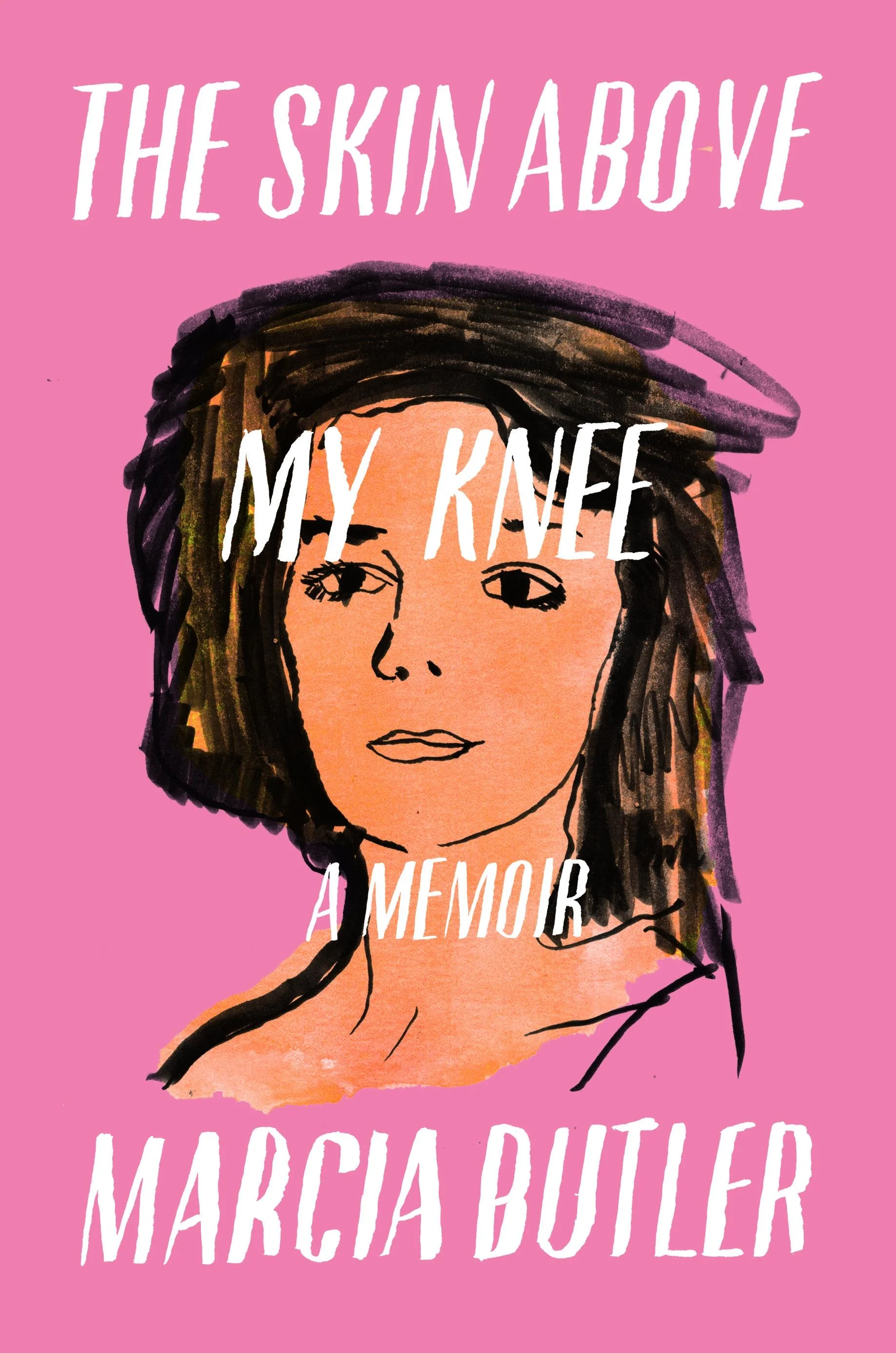
When was the last time you really, truly listened to music? In the rush-rush of daily life, it's not always easy to sit, close your eyes and listen—deeply, emotionally, exclusively—to, say, a Mendelssohn Violin Concerto or "Naima" by John Coltrane or even Adele's achingly nostalgic love song, "Hello." Instead, we OM at a meditation class, zone out watching "The Crown" or "Black Mirror," or catch up on the latest Intima Field Notes (sorry, a bit of shameless self promotion) to de-stress from our chaotic lives. We often forget the restorative, soul-enhancing powers of music, the way we can lose ourselves and discover other worlds and emotional depths when we focus and attentively listen.
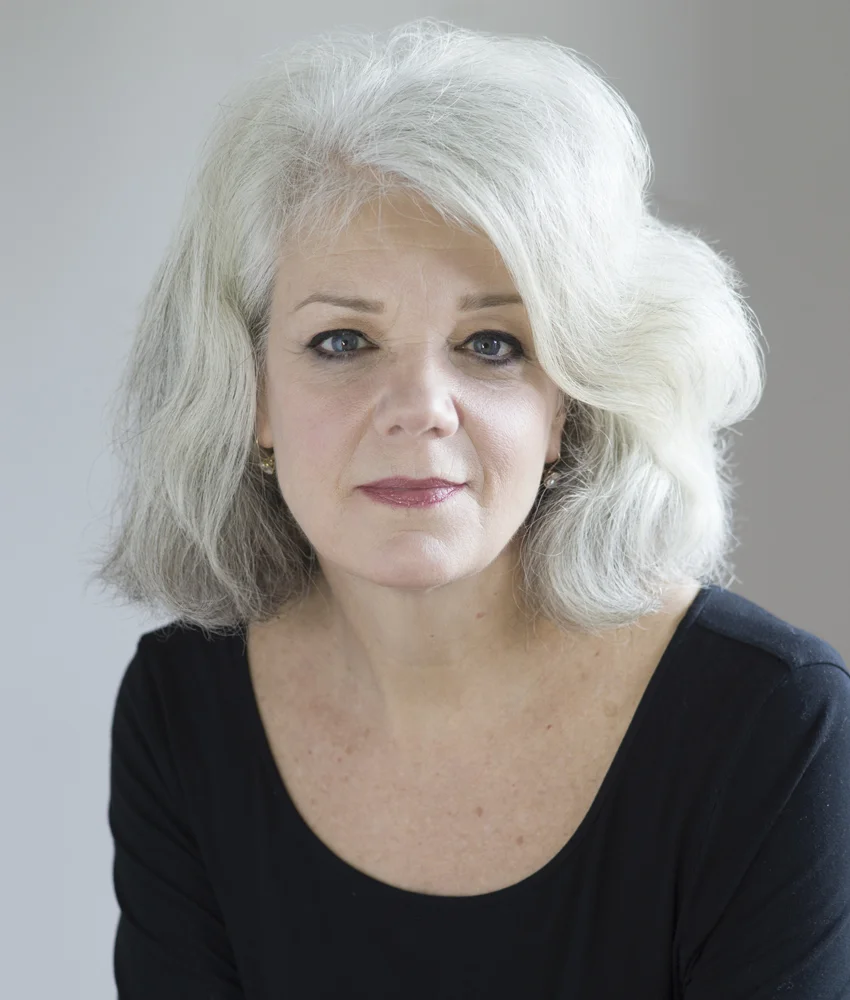
During her 25-year musical career, Marcia Butler performed as principal oboist and soloist on renowned New York and international stages, with many musicians and orchestras, includin pianist Andre Watts, composer and pianist Keith Jarrett, and soprano Dawn Upshaw.
Those feelings came rushing back to me as I read a new memoir by Marcia Butler, entitled The Skin Above My Knee. Butler, who published a story called "Cancer Diva," in the Spring 2015 Intima, was a classical oboist in New York City for 25 years. She has written an extraordinary and moving account of her life that goes beyond stories about her difficult childhood, icy and aloof mother, the many abusive men in her life and her struggles with addiction. Yes, we get all of those painful stories, fleshed out and delivered with Butler's sensitive, yet sardonic wit, but we also are party to her love and mastery of music.
Oh, glorious music! Every other chapter or so, Butler brings her musical world to life in palpable detail, pulsing with all of its highs, lows and endless hours of practice. We see her pride and excitement about being accepted to a music conservatory on full scholarship only to be told to play nothing but long tones "for months, possibly till the end of the semester." We watch, as she learns the "hell" of crafting the perfect reed from scratch only to ruin it and start all over again. We accompany her through the nerve-wracking challenges and transcendental joys of performing.
Consider this short excerpt where she describes accepting an invitation from composer Elliott Carter to be the first American to perform his oboe concerto:
Upon receiving the score, you can't play the piece or even do a cursory read-through. This is an understatement. You can't play a single bar at tempo or, in must cases, even three consecutive notes. You have to figure out how to cut into this massive behemoth. First learn the notes. Forget about making music at this point. Just learn the damn notes. Your practice sessions consist of setting the metronome at an unspeakably slow tempo and then playing one bar over and over until you can go one notch faster.....
...You remember the exact passage when the cogs lock together. It is not even the hardest section, technically, but what you begin to hear is music. There's music in there, and it is actually you making that music. Your stomach rolls over, a love swoon. The physical sensation is visceral and distinct. It is a very private knowing: a merging with something divine, precious, and rare. As a musician, you covet those moments. You live and play for them. It is a truly deep connection with the composer, as if you channel his inner life. A tender synergy is present, and you fear that to even speak about it will dissipate it immediately. Don't talk. Just be aware.
We're fortunate that Butler has decided to talk about her intense love affair with music and share her most intimate moments with us in this entertaining memoir. While the author touches upon her cancer diagnosis briefly, this isn't an illness narrative in any way, shape or form. Yet, she brings the idea of attentiveness and deep focus to light through her musical calling and finds a way to counteract trauma and pain in the expression of her art. By opening up the conversation about difficult moments and learning the discipline to recognize, express and find meaning in them, Butler also reminds us to listen, deeply, to the music of the world around us, as dissonant, lilting, strident or soothing it might be. Find the music that personally delivers meaning to you, be it a concerto or Ed Sheeran, "Shape of You." For her, it was always Norwegian opera singer Kirsten Flagstad performing Isolde's final aria, the "Liebestod," in Richard Wagner's magnificent Tristan and Isolde.—Donna Bulseco
If you would like to hear Marcia Butler in concert, the author provided a link to work where she performed. Click on the title of a piece for oboe and piano, entitled "Fancy Footwork" from the album, "On the Tip of My Tongue" by composer Eric Moe.
DONNA BULSECO, M.A., M.S., is a graduate of the Narrative Medicine program at Columbia University. After getting her B.A. at UCLA in creative writing and American poetry, the L.A. native studied English literature at Brown University for a Master's degree, then moved to New York City. She has been an editor and journalist for the past 25 years at publications such as the Wall Street Journal, Women's Wear Daily, W, Self, and InStyle, and has written articles for Health, More and the New York Times. She is Managing Editor of Intima: A Journal of Narrative Medicine, as well as a teaching associate at the School of Professional Studies at Columbia University.