CONTRIBUTORS
SPRING-SUMMER 2026 INTIMA
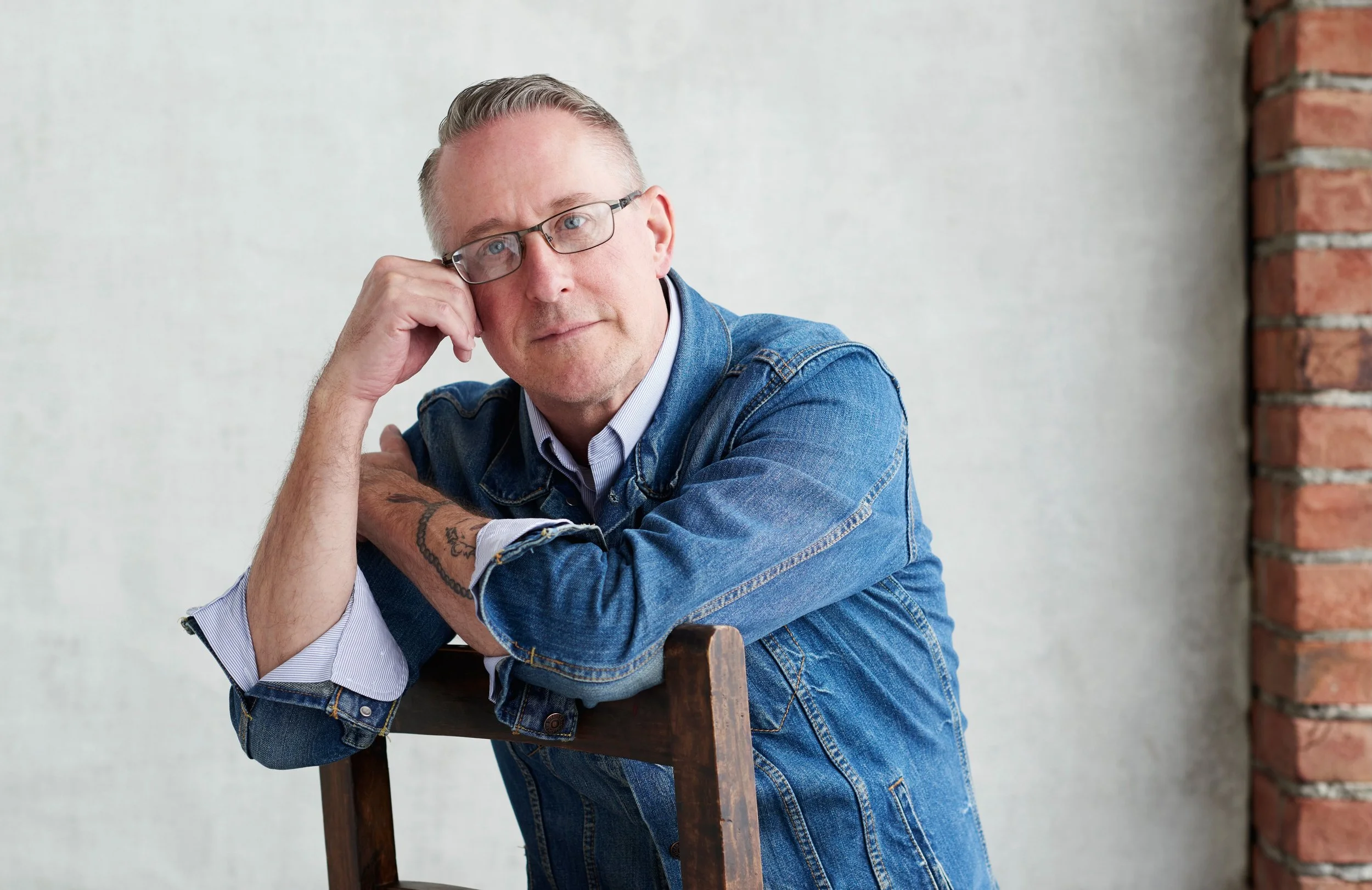
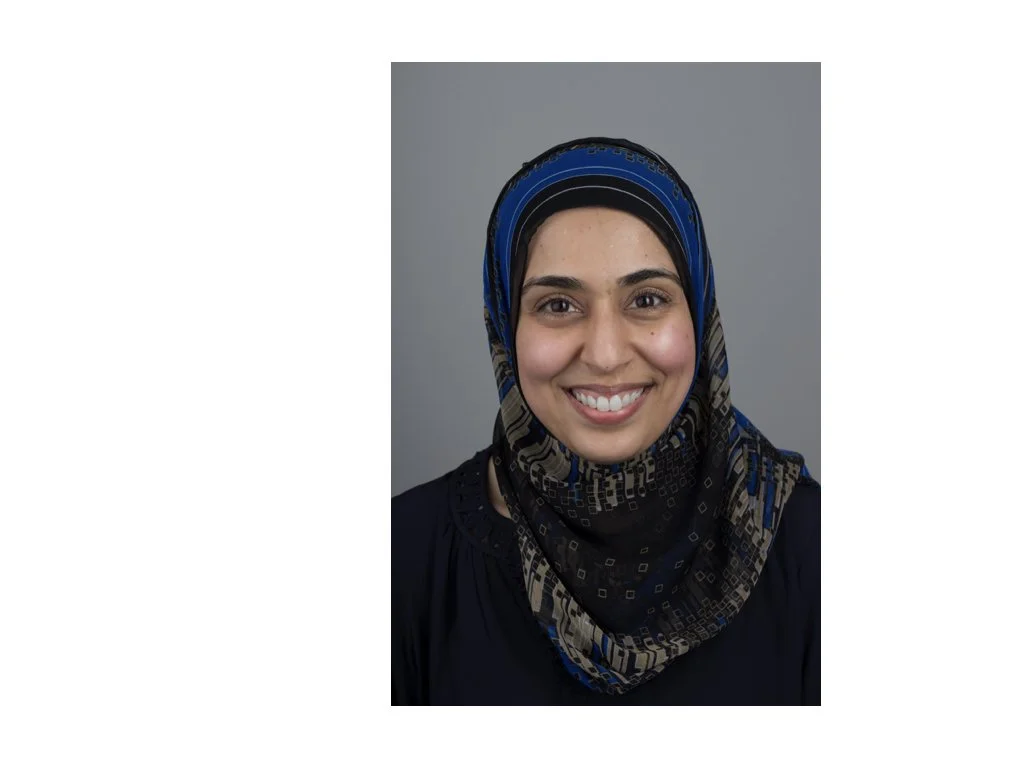
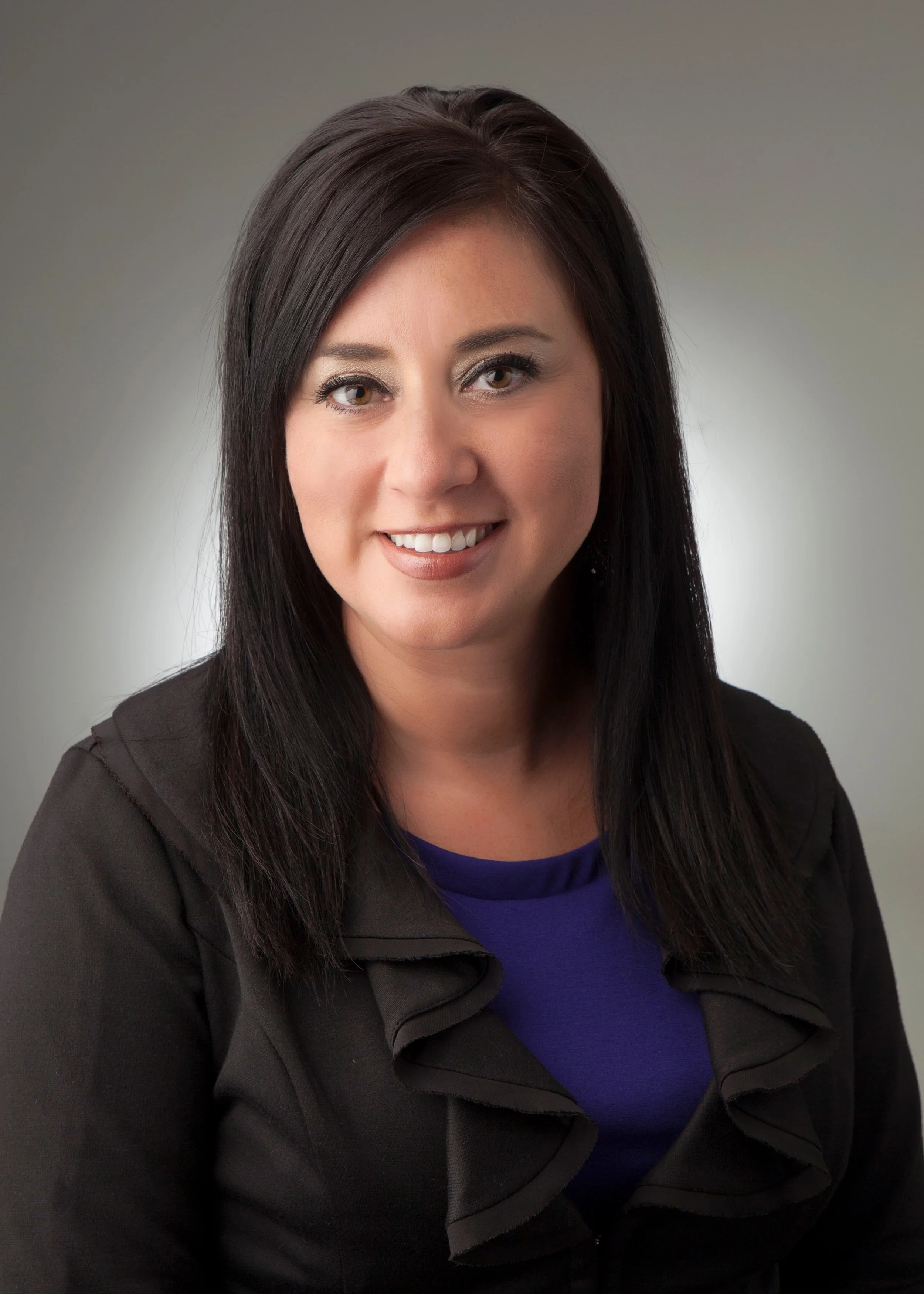
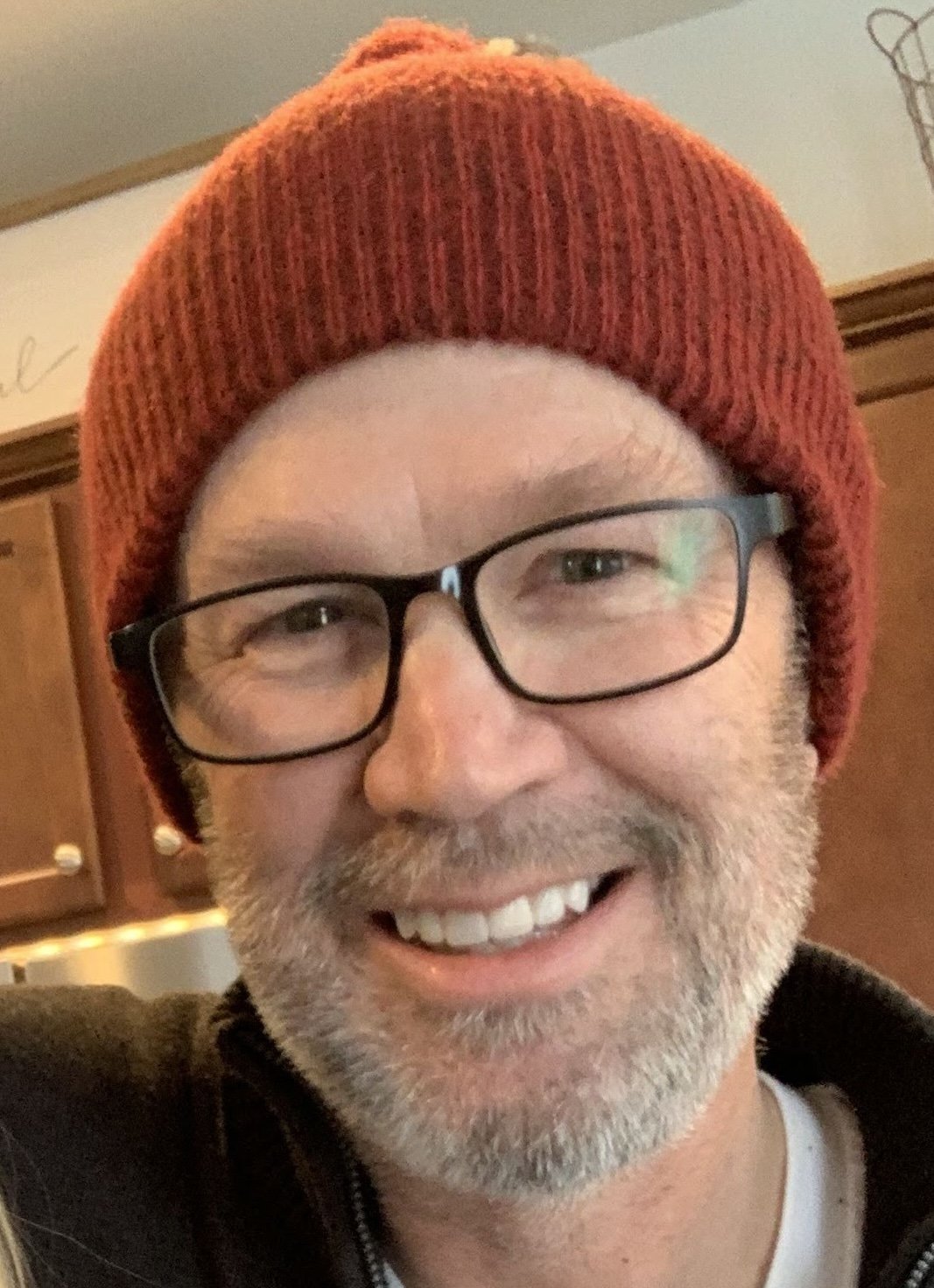
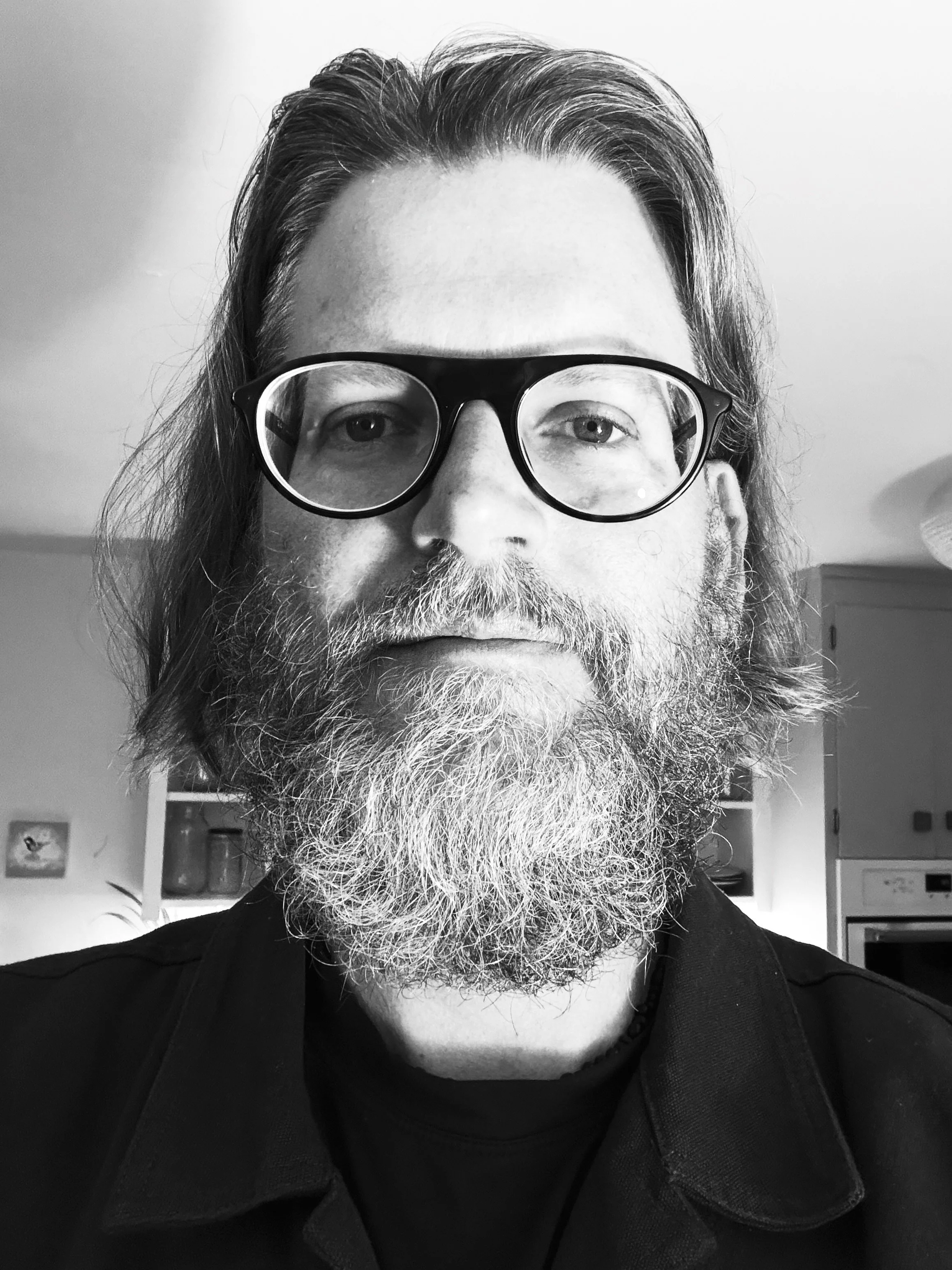
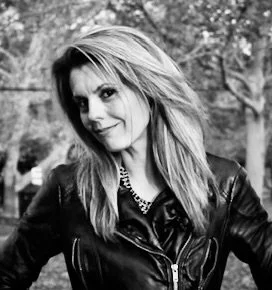
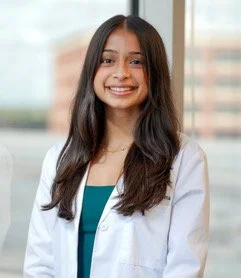
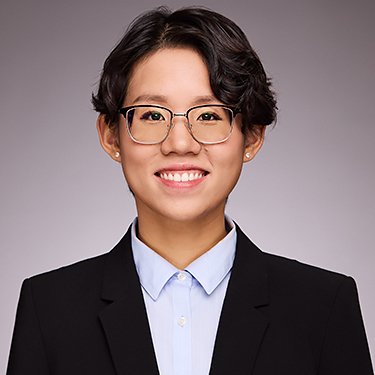
Meet our Contributors. Click on the photos to go to their fine work.

Your Custom Text Here
Lealani Mae Y. Acosta is an associate professor of neurology and a board-certified behavioral neurologist specializing in neurodegenerative memory disorders. Acosta's publications reflect varied neurological interests, including peer-reviewed research articles in cognitive and behavioral neurology and narrative medicine. Her work has appeared in JAMA, JAMA Neurology, Neurology, Neurology: Clinical Practice, the Journal of the American Geriatrics Society, and Anesthesiology. Most of her research revolves around cognitive impairment and Alzheimer’s disease, including clinical trials for new drug therapies.
Melfry Gonzalez Andujar is a medical student at the University of South Carolina School of Medicine in Greenville who is passionate about blending medicine, storytelling and advocacy. Her work centers on improving the quality of care for vulnerable communities, including individuals impacted by incarceration. Through both clinical training and creative projects, Gonzalez strives to highlight the humanity behind every patient story.
Adnan Askari is a fourth-year medical student at the University of Chicago Pritzker School of Medicine. His career interests include narrative medicine, hematology/oncology, and healthcare disparities. He hails from Eagan, Minnesota.
Jonas Attilus, originally from Haiti, is a psychiatrist working in rural Minnesota. He serves both rural and Native American communities. As a member of the Minnesota Refugee and Immigrant Writers Group, he writes in Haitian Creole, French, Spanish and English. His writing focuses on medicine, collective trauma and migration. His memoir, What the Ground Couldn’t Shake, will be published by Split/Lip Press in Fall 2027. Read more of his work on jonasattilus.com and Substack
Ethan Bell is a student at the University of Central Florida and a research scholar at Limbitless Solutions, where he focuses on the clinical-engineering interface of custom prosthetics for children. Bell also works as a rehabilitation technician, exploring the mechanics of human movement. His writing often examines the "defamiliarization" of the medical experience, focusing on the technical and sensory frictions of recovery. Bell is currently preparing for the upcoming medical school application cycle.
Hassan Bencheqroun is a pulmonary critical care physician, medical educator and healthcare-AI advocate. A native of Morocco, he trained in internal medicine in New York and completed pulmonary and critical care fellowships at Tufts-affiliated St. Elizabeth's Medical Center and Harvard-affiliated Beth Israel Deaconess Medical Center. Bencheqroun has practiced bedside critical care for nearly two decades and built TeleICU programs in California. He serves as senior director of strategy at the Respiratory Center of Excellence at IQVIA Biotech. He is an assistant professor at the University of California Riverside and a visiting professor at Université Mohammed VI, Casablanca, Morocco. He is the founder of Medical AI Academy and host of the podcast The AI Ready Doctor.
Edith Ben-Eboh is a third-year medical student at the Geisel School of Medicine who engages in art as a form of reflection and creative expression. Although art has long been a personal interest, Ben-Eboh began more intentionally integrating it into her life just prior to medical school as a way to explore the intersection between creativity and medicine. Her works often center on the human experience within healthcare, using visual storytelling to process moments that are complex, challenging or easily overlooked. Through art, she reflects on what it means to become a physician and considers how to show up more thoughtfully for future patients. She also hopes her work can spark conversations about care, perspective and the kind of doctor she strives to be.
Rose Berman is an internal medicine resident at Beth Israel Deaconess Medical Center in Boston. She received her undergraduate degree in history from the University of Chicago and her medical degree from Harvard Medical School. A humanities lover at heart, she still has a fondness for World War I memorials and the scent of archives. Her interests include narrative medicine, palliative care and quality improvement.
Ariel Bugosh Boswell writes poetry and fiction. Her work has appeared in Vox Poetica and the Barefoot Review. She works as a nurse in family medicine and writer-at-the-bedside providing creative writing activities with patients and staff at Mayo Clinic. In addition to her patients, she takes care of her husband, two kids, two dogs and a silk orchid.
Shannon Bueker is a long-time cancer patient and artist. She is living well with the help of Alectinib and writing about her life in sick times and well. Bueker lives in the woods of North Carolina with her husband, Rick.
Sarah Cady is a psychiatric nurse practitioner working in New York City.
Caiwei is a Chinese American writer whose work has appeared in Beijing Evening News, World Journal, United Daily News and KevinMD. A former physician, she writes narrative non-fiction that explores the intersections of medicine, memory and everyday life. She lives in the United States.
Annie Chen is a fourth-year medical student and incoming resident at Baylor College of Medicine in Houston. A Rice University alumna, she began painting during childhood as a technical exercise to transcribe her outside world; throughout her medical training, it has evolved into a vital tool for processing profound clinical experiences. She sees the artistic process as a bridge between an individual’s inner and outer worlds, using her art to translate the complexities of the human condition into vibrant and reflective works.
Guilherme Coelho is a family physician and doctoral candidate at the University of Campinas (UNICAMP), Brazil. His narrative medicine writing has appeared in Family Medicine and Hektoen International. Coelho trained in medicine at the Federal University of Rio de Janeiro and completed his residency in Family and Community Medicine at UNICAMP. From 2020 he worked as a physician in São Gabriel da Cachoeira, in the Upper Rio Negro of the Brazilian Amazon, an experience that continues to shape his clinical and literary work. His current doctoral research examines the effects of climate on maternal and perinatal health in Brazil.
Jordan Davis is a third-year medical student at Mercer University School of Medicine in Columbus, GA. He is involved in student leadership on campus and in state medical student groups and participates with local volunteer organizations. He is a member of the Bioethics and Medical Humanities program at MUSM and is interested in research and advocacy within these disciplines. David wants to attend an internal medicine residency and complete a fellowship in pulmonary medicine. He has used his hobby of drawing with pencils and charcoal to enhance his learning and to express support for individuals and causes he is passionate about. He believes that every medical student can participate in the humanities and enhance their appreciation and understanding of their life’s goal by doing so.
Jennifer DeCoste is a primary care pediatrician and medical educator at Duke University
William Doan is a past president of the Association for Theatre in Higher Education and a Fellow in the College of Fellows of The American Theatre. In addition to articles in scholarly journals, Doan has co-authored three books and several plays. He has created solo performance projects at a variety of venues across the U.S., and abroad. His work includes multiple short graphic narratives published in the Annals of Internal Medicine/Graphic Medicine, Cleaver Magazine, Intima: The Journal of Narrative Medicine, and the AutoEthnographer, as well as several award winning animated short films. He is an emeritus professor in the College of Arts and Architecture at the Pennsylvania State University where he served as the Penn State Laureate for 2019-2020.
Huma Farid is an obstetrician gynecologist in Massachusetts. Her work has appeared on Doximity, KevinMD, Harvard Health and Cognoscenti and in JAMA and Obstetrics and Gynecology. In 2024, she received the Media and Medicine Certificate at Harvard Medical School.
Jeanna Ford is a palliative care advanced practice nurse based in New Mexico. Her clinical work focuses on serious illness communication, symptom management and end-of-life care, with particular attention to ethical complexity, grief and culturally grounded care. Ford has spent her career walking alongside patients and families through serious illness, loss and the realities of dying, experiences that continue to shape both her practice and her writing. Ford also teaches and speaks nationally on palliative care, communication and ethics. Her writing explores grief, medicine, identity and the human experiences that live at the intersection of healthcare and loss.
Dennis Freire has Stage IV cancer and participates in a Phase 3 clinical trial requiring monthly tests at Huntsman Cancer Institute. Freire’s prose piece “A Quiet Kind of Guts” was published by Pulse: Voices from the Heart of Medicine. He attends Huntsman’s Wellness and Integrative Health Center’s medical writing and literature programs led by its writer-in-residence Susan Samples.
Mildred Galvez is an MD/PhD student at the David Geffen School of Medicine at UCLA and the Charles R. Drew University of Medicine and Science. Her writing explores illness, identity, and the spaces patients and families inhabit within medicine, drawing from both her clinical training and personal experience.
Macie Garner is a second-year medical student with an interest in dermatology, particularly the psychodermatological interface between skin and mental health. Her work explores perception, communication and the lived experiences of patients within clinical encounters. See more of her work on The Science of Skin — and What It Means to Live In It
Gurnoor Gill is a medical student at the Charles E. Schmidt College of Medicine at Florida Atlantic University. His work explores illness, memory, grief and the emotional lives that unfold within clinical spaces. Gill’s writing is shaped by his experiences in medicine and by a longstanding interest in narrative as a way of understanding suffering, care and human connection, especially those stories that attend to quiet moments of vulnerability and dignity.
Salem Harry-Hernandez is a physician and writer whose work explores the emotional residue of medical training, grief and care at the bedside. His writing is informed by his clinical work in critical care medicine and his interest in narrative medicine and medical humanities. He lives and works in the northeastern United States.
Diego R. Hijano is a pediatric infectious diseases physician at St. Jude Children’s Research Hospital. His clinical work focuses on the care of immunocompromised children, particularly those undergoing bone marrow transplantation, and the prevention and management of viral infections. Beyond his clinical and research efforts, he is deeply interested in the human experience of illness, especially the ways in which patients and families navigate uncertainty, suffering and healing. His writing explores the intersection of medicine, narrative and meaning, often reflecting on themes of identity, trust and connection. As both a physician and an immigrant, he brings a perspective grounded in empathy, cultural awareness and a commitment to seeing patients and families as whole, beyond their diagnoses.
Hannah Hoang is a Vietnamese-American filmmaker. Hoang is interested in telling stories rooted in heritage, coming of age and the human condition. She believes storytelling offers a meaningful pathway in medicine, one that fosters empathy and centers the patient care experience. Her projects have premiered at Festival de Cannes, Tribeca, HollyShorts, and LA Shorts, with features on Variety and Panavision. She is a Creative Team Member at WDA Entertainment, a 2025 Activate Impact Initiative grant recipient at Women in Media, and a 2025 Storytelling and Medicine scholar at Stanford University School of Medicine. Hoang is a graduate from the University of California, Los Angeles (UCLA), where she studied biology and film. She plans on applying to medical school.
Kenneth Iserson is a professor emeritus of emergency medicine at the University of Arizona College of Medicine. A pioneer in emergency medicine ethics, wilderness medicine and disaster response, he has authored over 300 peer-reviewed publications and 15 books including Ethics in Emergency Medicine and Death to Dust: What Happens to Dead Bodies? Iserson served 30 years as medical director of a Level I trauma center and has practiced medicine on all seven continents. As a ventriculoperitoneal shunt patient, he writes from dual physician-patient perspectives about medical ethics, epistemic injustice and device dependence.
Dixie L. King received her PhD in cultural anthropology from UCLA and an MFA in creative writing from Antioch University Los Angeles. She served as executive director of the International Women's Writing Guild from 2014 to 2018. Her work has appeared in the Home Health Care Quarterly, ERS Spectrum, Women's Studies Journal and Many Mirrors: Body Image and Social Relations. Her first fantasy novel Ithia's Dance (Atmosphere, 2026). She lives in Prescott Valley, Arizona with three cats who regularly critique both her and her work.
Toshita Kumar writes to bear witness when circumstances cannot be changed. Her work explores the space where medicine, memory, and emotion intersect—where ambiguity resists resolution and lived experience cannot be neatly quantified. Through writing, she seeks to preserve empathy, both for her patients and for herself, and to remain present within systems that often move too quickly to conclude. Her work holds contradiction, uncertainty, and emotional truth, honoring what cannot be fixed but can still be seen.
Daniel Mahoney is a pediatric palliative care physician in Houston, TX. He writes essays, fiction and poetry addressing themes related to narrative medicine, end of life care, and planetary health.
Natalie Malluru is a first-year internal medicine resident at Dell Medical School at the University of Texas at Austin. She writes about the unique challenges of being a medical trainee, as well as how literature and poetry have shaped her perspective on her patients and herself. Malluru's work has appeared in Pulse and the Travis County Medical Society newsletter.
Divya Manikandan is a third-year medical student at the Johns Hopkins University School of Medicine. Her work has appeared in Intima (Field Notes essay "Say Om," Fall 2022), Off Assignment, The Lookout Journal, Earth Island Journal and The Scarlet Leaf Review.
Jane McCauley is a re-emerging writer after a hiatus to raise a family and travel. She has been a featured writer in the Walker Art Center's poetry series and commemorative broadsides for the events. Her work has appeared in Herstry, Gathered Words and Clockhouse.
Gabriele Micozzi is an Italian writer, poet, professor and consultant. His literary work explores body, language, power, vulnerability, desire, illness, healing and what he calls “literary biodiversity”: the coexistence of poetry, prose, theater, science and embodied experience. His work can be found in The Literary Hatchet, 3Elements Review, ONE ART, Cathexis Northwest Press, Little Old Lady Comedy and Kaidankai Podcast; his poems have also been shortlisted by parABnormal Magazine. In Italy, his work has been published by FrancoAngeli and Dario Flaccovio as well as Attraverso Edizioni and TransEuropa Edizioni.
Mary Monoky is a writer of narrative nonfiction exploring illness, memory and the quiet textures of ordinary life. Her work focuses on embodied experience and attention in moments of medical and emotional vulnerability, tracing how people orient themselves when continuity is disrupted. Monoky's writing blends lyrical reflection with lived experience, emphasizing presence, familiarity and the human relationships that sustain survival. She lives and writes in New Jersey.
Kirsten Myers is a neurology resident at the University of Utah. Her love for neurology came from a love of the unknown, and making sense of the unknown has been through writing. She loves going outside to bike, run and wander. Her poem "Hands" appeared in the Fall 2020 Intima.
Katerina Obscura is a young adult, who is based in rural Canada and living with a life limiting cancer and resultant disabilities. A geographer by education, Obscura's art uses analogue and historical processes to consider the ephemerality of human life and our connections to nature. Photography and printmaking enable her a sense of control that she has lost in most other areas of her life since her diagnosis.
Crystal Ralls is a fourth-year osteopathic medical student at Lincoln Memorial University DeBusk College of Osteopathic Medicine in Tennessee. She is pursuing a career in neurology with interests in traumatic brain injury, epilepsy and health literacy. Ralls has contributed to narrative and clinical writing focused on the patient experience, including a previously published piece in Intima [ADD LINK] Her work often explores the intersection of clinical care, perception and the unseen aspects of illness. In addition to her academic work, she has developed patient-centered educational materials, including children’s health books aimed at improving understanding of complex neurological conditions. She hopes to continue integrating narrative medicine into her future clinical practice.
Alexis Rehrmann is a writer, editor and narrative medicine practitioner who has pursued the connection between story and healing throughout much of her creative and professional life. Her writing has appeared in the New York Times, Portland Monthly, PDX Parent, Intima ("Your Little Heart Still Stands," Non-Fiction, Spring 2022) the Journal of Medical Humanities OHSU Digital Collections, and Anastomosis. She is program manager at the Lewis & Clark College Center for community and global health and an affiliate of the Northwest Narrative Medicine Collaborative. She holds a CPA in narrative medicine from Columbia University and a BFA in theater from NYU Tisch School of the Arts.
Thomas Robey is a nocturnist emergency physician in Everett, Washington, where he leads a street medicine program focused on low-barrier care for people with substance use and behavioral health needs. His clinical work spans the emergency department and community settings, often in situations where decisions are made without clear alignment across systems. Robey’s writing reflects on these experiences, with an emphasis on setting, perspective, uncertainty, and the practical realities of care.
Vangipuram Harshil Sai is an undergraduate medical student in the MBBS program at the All India Institute of Medical Sciences, New Delhi. His academic interests lie at the intersection of clinical medicine, cardiology and narrative medicine with a particular focus on how uncertainty, family history and inherited risk shape patient experience and clinical decision-making. He is interested in reflective writing as a tool to examine the ethical, emotional and human dimensions of medical practice, especially in resource-constrained and high-stakes settings. His work explores how listening, presence and storytelling complement evidence-based care. He hopes to pursue postgraduate training in internal medicine with long-term interests in cardiology and academic medicine.
Anika Saxena is a biology and English major at the University of Georgia in Athens, pursuing a pre-medical track. Saxena has long used writing as a mode of expression and has developed a particular interest in narrative medicine and patient-centered storytelling. She is drawn to forms of writing that capture the lived experience of illness, especially as a way to bridge the gap between clinical processes and personal understanding. Through both her academic studies and creative work, Saxena seeks to explore how storytelling can bring greater empathy and depth to healthcare. She hopes to continue engaging with narrative medicine as she further immerses herself in the medical field.
Yekta Sharafaddin-zadeh is an Iranian-Canadian medical student in the Class of 2027 at the Cumming School of Medicine, University of Calgary. Before medicine, Sharafaddin-zadeh trained as a registered psychologist and earned an MSc in psychology, practicing as a therapist, researcher and lecturer. Her current creative inquiry sits at the intersection of cultural identity, professional identity formation and the body of the learner, exploring what it means to cross oceans, to wear a coat and to remain whole inside an institution.
Rosa Singer is a poet, writer of creative non-fiction and the recipient of a double-lung transplant. Her writing explores braving the body, medical narratives, interdependence and the natural world. Passionate about the arts in health, she teaches expressive writing for patients and caregivers through the Lung Transplant Foundation. She also speaks at the University of Washington School of Medicine, on the topic of delivering and receiving serious news. Over a decade in the field of international development, working on girls’ sexual and reproductive health, showed her the importance of health as a human right and how stories remind us of our shared humanity. Today she writes and breathes next to a 200-year-old cedar tree in the beautiful Pacific Northwest.
David Sleeth-Keppler is an associate professor of marketing and management at Cal Poly Humboldt’s School of Business, where he has taught since 2011. Sleeth-Keppler holds a PhD in social psychology from the University of Maryland, and completed postdoctoral work in marketing at Stanford University's Graduate School of Business. His research focuses on judgment and decision-making, particularly how people navigate uncertainty and make sense of complex information. His academic publications have appeared in Royal Society Open Science, The Journal of Social Psychology, and Environmental Communication. He is a father to five children and has been married for 25 years. Sleeth-Keppler and his family live in rural Northern California.
Jamie L. Smith is the author of the poetry collection The Flightless Years and Trojan Horses: Voices from the Opioid Crisis, winner of the 2025 Unleash Press Book Prize. Her chapbook Mythology Lessons, a notable mention in Best American Essays 2021, was winner of Tusculum Review's 2020 Nonfiction Prize. Her work has been published in Southern Humanities Review, Bellevue Literary Review, Best New Poets, The Good Life Review and anthologies by Indi(e) Blue, Allegory Ridge and Beyond Queer Words. Find more of her work at jlsmithwriter.com
Shreya Tamma is a second-year medical student at Baylor College of Medicine with a background in narrative medicine. She is passionate about weaving storytelling into medical education, climate health and justice-oriented work. Tamma founded and helps lead the HERB Collective, a student initiative that cultivates gardens in Houston as spaces for food justice, education and reflection. Her writing and workshops explore how story can foster belonging and serve as a platform for advocacy within medicine. Outside of her studies, she enjoys long-distance running, baking with friends and practicing yoga with her grandfather.
Angela Tang-Tan is an avid artist and writer as well as a neurosurgery resident at Oregon Health and Science University. She completed medical school at Keck School of Medicine of USC and double-majored in neurobiology and psychology at UC Berkeley. She served as an ambulance EMT during the COVID-19 pandemic. Tang-Tan’s short stories, poetry, nonfiction pieces, and visual art have appeared in Intima Journal of Narrative Medicine, Bellevue Literary Review, and the Examined Life Journal. Her piece “Top Surgery” was included in Where It Hurts: Dispatches from the Emotional Frontlines of Medicine and nominated for inclusion in the anthology The Best American Essays 2025. In 2026, her piece “Two Thoracotomies” was nominated for the Pushcart Prize.
Katherine Toler is a critical care nurse based in St. Louis, Missouri. Toler writes about the intersections of grief, medicine and moral ambiguity in clinical spaces. Her work has appeared in Raw Lit, Please See Me and is forthcoming in Survive & Thrive: A Journal of Narrative Medicine and American Journal of Nursing: Reflections. She is working on a collection of essays.
Annie Tubman is a family physician in Portland, Oregon who is passionate about medicine, poetry, and crossing long distances by foot or bicycle. During medical school she started a narrative medicine journal, and continue to bring stories of those around her to light.
Alexandra van der Staal is a physician-in-training in Switzerland in internal medicine and clinical immunology, with a PhD in immunology from the Medical University of Vienna. She writes about diagnostic uncertainty, chronic illness and the awkward gap between what medicine can measure and what people live.
Elizabeth Warner is a mother, wife and Vermonter of almost two decades. Until a year ago, Warner was the chief medical officer at a regional health plan. Before that, she was a general surgeon. An avid writer during her youth, she returned to writing in 2021 after many fallow years. Her first essay was about a patient who died during her residency training. More stories from her training followed. Warner’s goal is to complete a book-length memoir about general surgery residency. She is often asked, “Why did you leave your job as a surgeon?” and would love to have an answer to that question that rings true. She hopes that writing down the stories will bring her closer to the answer.
Quisque iaculis facilisis lacinia. Mauris euismod pellentesque tellus sit amet mollis.