
A clinician's oath to do no harm imagines harm as something we do—a mistake or misjudgment. Yet often, the danger lies in what we avoid: the conversations we don’t initiate and the uncomfortable truths we cannot bring ourselves to speak. Despite our best efforts, sometimes our care cannot change an unacceptable outcome of dying. “Intensivist, writer and mom”—Giannina Muncey poignantly names this tension in her Field Notes essay, “We Should All be Storytellers,” (Spring 2019 Intima): “Death is our Grand Unifying Theory; being human is a fatal condition. But how do you distill philosophy into practice?”
Medicine’s discomfort with dying is more than a training gap; as a cultural taboo, silence reinforces the idea that avoiding death is everyone’s shared goal. But patients facing serious illness may value comfort, clarity and a peaceful passing over borrowed time.
When we fail to ask what matters most, care is swept onto American healthcare’s default track—life support, procedures and non-beneficial treatments that keep control with clinicians and impede a gentler end. The conveyor belt rolls on, driven by a false dichotomy between understanding a patient’s prognosis and preserving hope.
In my Field Notes essay “Dying to Know” (Fall/Winter 2025-2026 Intima), I share a cautionary tale of well-intentioned physicians dancing around the truth, keeping a family in the dark until it was too late. Our discomfort can cause real harm to patients and caregivers—during care and extending into bereavement. Instead of discussing laboratory values and diagnostic tests in a family meeting, Muncey, who received her MD from Johns Hopkins University School of Medicine, shared the story of how we die in modern medicine, providing closure in the intensive care unit: It’s “the final story to let go of her body, yet retain her spirit.”
Years later, I still wonder what story the family of my patient carries of that death. The one thing they most needed to hear—that their loved one was dying—remained unsaid. Could we have eased their grief by giving them a chance to say goodbye?
What clinicians consider the preservation of hope can become an agonizing space of uncertainty for patients and caregivers. When illness takes so much of who someone is, no environment feels more disempowering than a one-size-fits-all, automated, algorithmic care. Information is power; it’s our responsibility to give patients the clarity needed to take back the drivers’ seat in their care.
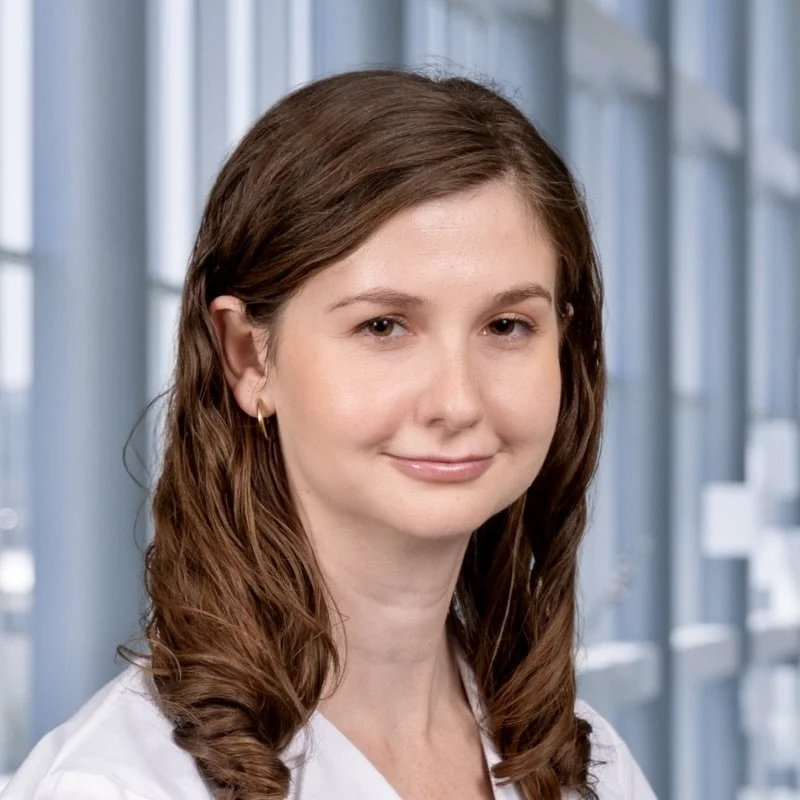
Lindsey Ulin, MD
Lindsey Ulin, MD, is a palliative care physician and assistant professor of medicine at UT Southwestern Medical Center, and storyteller. Her writing is featured in ABC News, Good Morning America, The Boston Globe, and STAT News. Ulin has been a guest commentator for NBC Nightly News, US News & World Report, The Wall Street Journal, The Huffington Post, Yahoo Life, and Cancer Today. Her Field Notes essay, “Dying to Know,” appears in the Fall-Winter 2025-26 Intima: A Journal of Narrative Medicine.
