No one decides to become a role model. That is rather the point. As psychiatrist Jacob Freedman observes in his Crossroads essay “I am not a Role Model,” only a Charles Barkley can disown the title; the people who actually shape us—parents, grandparents, the half-remembered branches of a family tree—never get the option. Freedman’s father did not announce himself as the reason his son became a physician. He simply was the reason, the best person in his son’s entire world, and the choice followed as naturally as breathing. The acts of the forefathers, an ancient maxim holds, are symbolic for their children. Identity is inherited before it is chosen.
I wrote the short story “Voice from the Back” out of the same conviction, although the narrator’s mentor wore wrinkled jackets and let his glasses slide down his nose. Dr. Stanley was not born to command silence. He earned it by looking longer than anyone else, by murmuring “Notice the absence of that” when the rest of the room had already guessed wrong. He declined the department chair twice, calling himself only a teacher, as though that were the smaller thing. It was not. He remembered the secretaries’ children’s names and confessed his own missed diagnoses so that ours would sting a little less.
What strikes me, reading the two pieces side by side, is how role models propagate. Freedman’s lineage runs through blood, parent to child, each generation handing identity forward. Stanley’s ran through apprenticeship: he trained students who trained students, until his exact phrasing hardened into folklore, into habit, into reflex. In my story it surfaces at last in the margin of a machine’s report, as though decades of attention had been quietly encoded and could no longer be deleted.
That is the strange grace of the natural role model. They never set out to outlast themselves, and so they do. The auditorium is dismantled, the light boxes trashed, the father long gone. Yet the voice persists—in a son’s stethoscope, in a resident’s patience at two in the morning, in lines of code that have somehow learned to wait until you truly see.
Thank you, Dad. Thank you, Dr. Stanley.
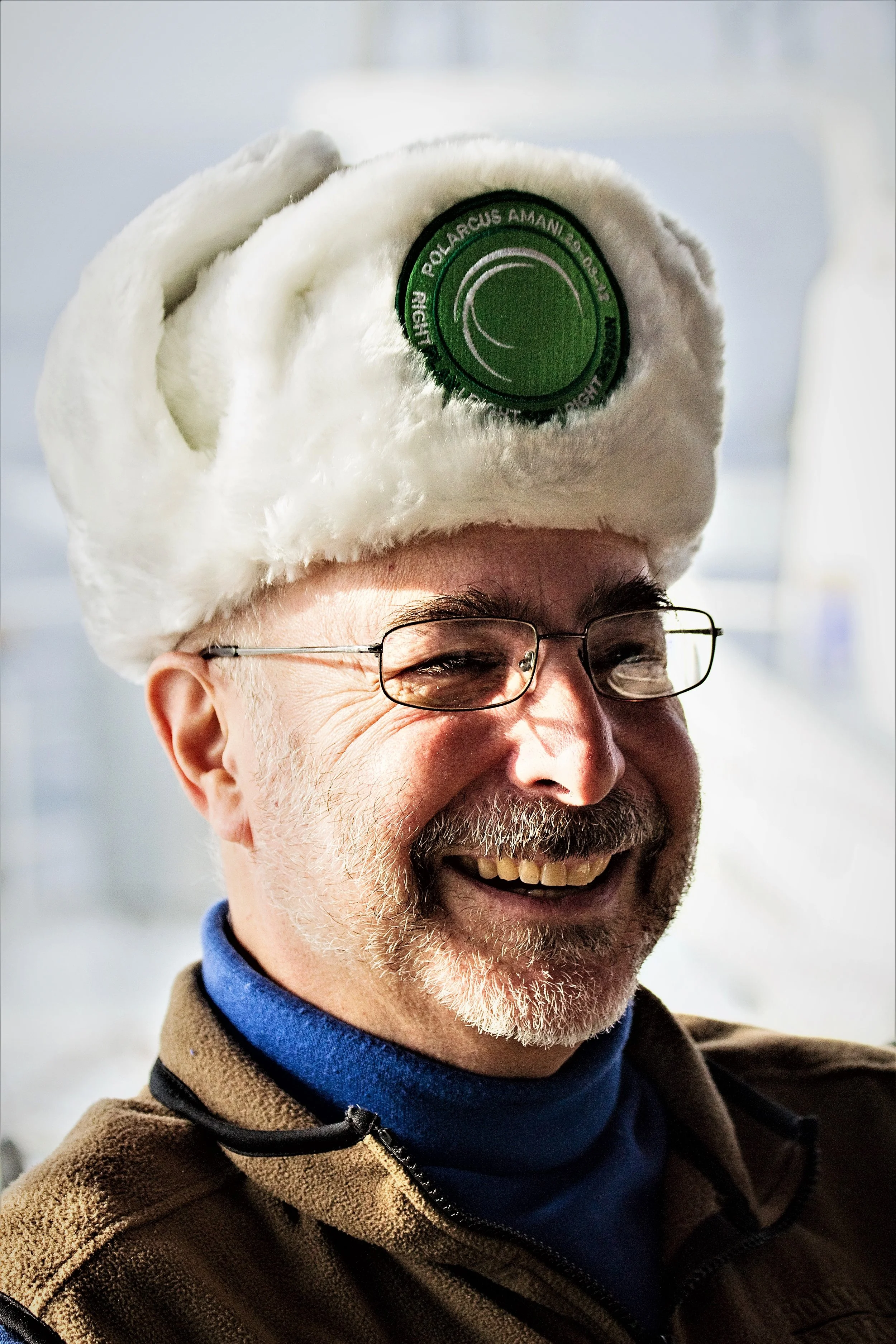
Kenneth Iserson
Kenneth Iserson is a professor emeritus of emergency medicine at the University of Arizona College of Medicine. A pioneer in emergency medicine ethics, wilderness medicine and disaster response, he has authored over 300 peer-reviewed publications and 15 books including Ethics in Emergency Medicine and Death to Dust: What Happens to Dead Bodies? Iserson served 30 years as medical director of a Level I trauma center and has practiced medicine on all seven continents. As a ventriculoperitoneal shunt patient, he writes from dual physician-patient perspectives about medical ethics, epistemic injustice and device dependence.
