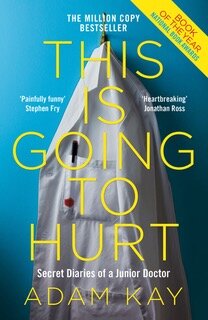
This is Going to Hurt by Adam Kay

This is Going to Hurt by Adam Kay

This Is Going To Hurt is a memoir from British comedian, writer and former doctor, Adam Kay. The book, published by Picador in 2017, follows Kay’s journey from a junior doctor to senior registrar (or resident to attending physician) specializing in obstetrics and gynecology. The memoir is presented as a series of journal entries that he wrote throughout his former medical career, originally intended as a means of cataloguing intriguing clinical cases.

However, his recollections are far from formally academic: Kay’s unabashed bluntness allows for an unfiltered and honest reflection of his time working under the UK’s National Health System (NHS). The book covers a wide array of healthcare topics including the doctor-comedian’s thoughts on the NHS’s treatment of its doctors; his co-workers or “drug-dealing scrotes” that erroneously prescribe diuretics to dehydrated patients; and what he describes as “Eiffel Syndrome”—the common “I fell” etiology voiced by patients presenting with household items lodged in their nether regions. Kay’s wicked commentary keeps the reader engaged with risqué, crude humor that no practicing physician would (rightly so) feel comfortable dispensing.

 A praise-worthy feature of Kay’s narrative is his inclusion of informative and equally entertaining footnotes on the bottom of each page to explain the medical terminology referenced in each account. This makes the book accessible to the non-medical reader, who will learn more than a thing or two about medicine by the time they’ve reached the last page. For example:

 *APGAR scores are the standard measure of how well a newborn baby is doing—they get marks for Appearance, Pulse, Grimace, Activity and Respiration. It was devised by a doctor called Virginia Apgar, which makes me think that she chose arbitrary measures just because they fitted with her surname. Like if I decided that the best measures of a baby’s health were Kicking, Applauding and Yawning. 

 This Is Going To Hurt is steeped in themes of physician neglect, a topic of growing relevance in today’s healthcare climate, with increasing concerns over physician-burnout and resilience that have been elevated during the novel coronavirus pandemic. While the memoir’s title is a nod to the cliché that a doctor tells a patient before inflicting procedural pain, it also reflects the mental and emotional toll physician-hood took on Kay. In one example, Kay cites a traumatic case involving a patient with placenta previa, for which he received no support from the NHS after its devastating effects. The experience was a tipping point for him that led to depression and eventually prompted him to retire his white coat for good. Physicians, Kay reminds the reader, are just people too, something he believes healthcare establishments and patients often lose sight of:

“…patients don’t actually think of doctors as being human. It’s why they’re so quick to complain if we make a mistake or if we get cross. It’s why they’ll bite our heads off when we finally call them into our over-running clinic room at 7 p.m., not thinking that we also have homes we’d rather be at. But it’s the flip side of not wanting your doctor to be fallible, capable of getting your diagnosis wrong. They don’t want to think of medicine as a subject that anyone on the planet can learn, a career choice their mouth-breathing cousin could have made.”

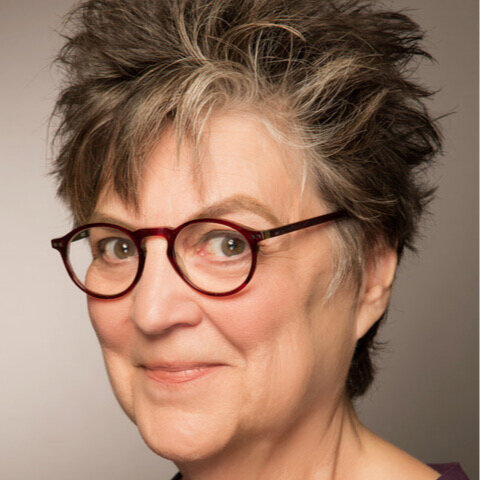
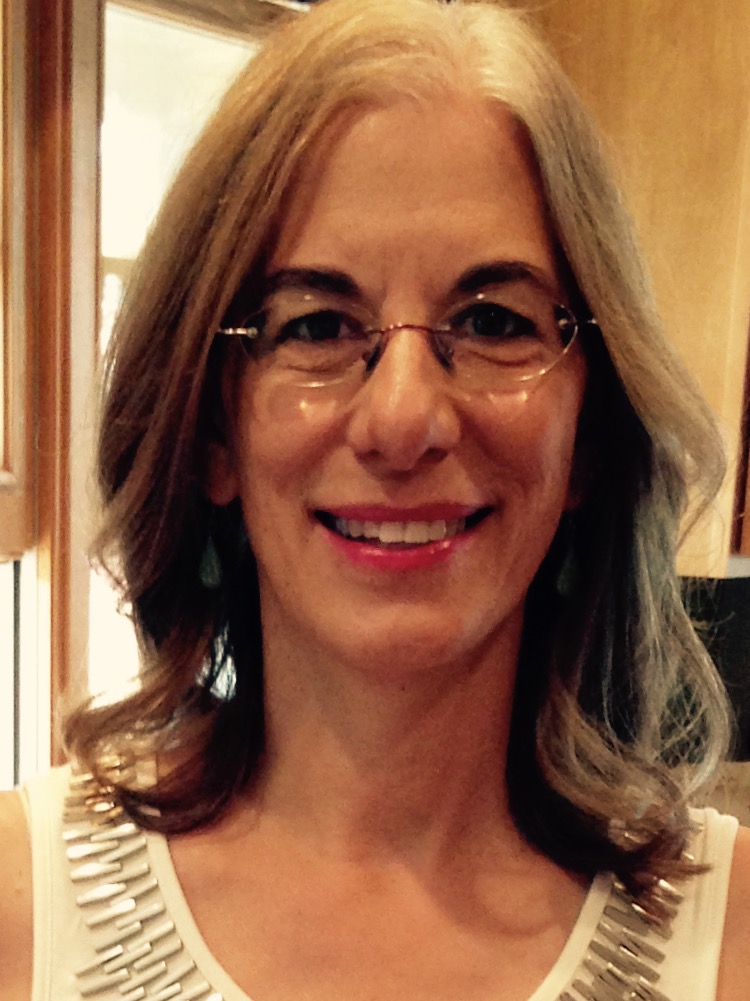
Author, comedian and former doctor Adam Kay.

Author, comedian and former doctor Adam Kay.

 Still, he gives equal time to the rewarding feelings he experienced when helping patients, delivering babies and treating couples with infertility issues. At trying times, it made him feel like a “low grade super-hero,” and it was this sense of satisfaction and purpose that allowed him to continue being a doctor for as long as he did. He finally summarizes his medical career with both dreariness and heart:

 “The hours are terrible, the pay is terrible, the conditions are terrible; you’re underappreciated, unsupported, disrespected and frequently physically endangered. But there’s no better job in the world.”

Adam Kay’s memoir is an entertaining account of a physician-turned-comedian’s triumphs and struggles through their medical career. His new children’s book, Kay’s Anatomy: A Complete (and Completely Disgusting) Guide to the Human Body, will be available this year.—Fredrick Martyn


Fredrick Martyn

Fredrick Martyn

Fredrick Martyn is a Canadian writer, poet and medical student at The George Washington University School of Medicine and Health Sciences in Washington, D.C. This summer he will be beginning his residency training in family medicine at Western University in Ontario, Canada. He is a contributing writer for the medical satire website Gomerblog, as well as other online humor publications including Points In Case, Slackjaw and Little Old Lady Comedy. He also acts as a director for his medical school’s comedy show and can sometimes be found performing his poetry at Busboys & Poets, in D.C.

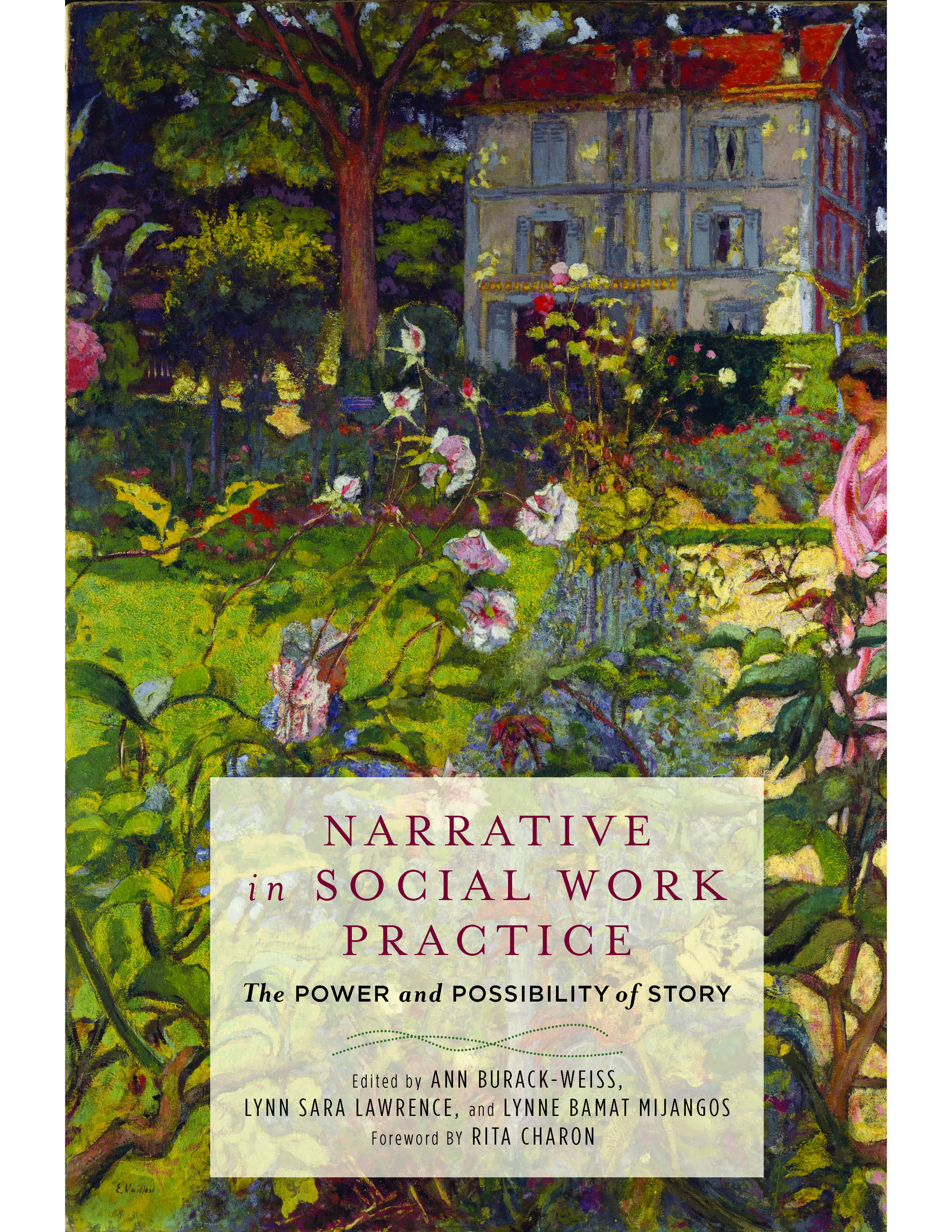
Narrative in Social Work Practice: The Power and Possibility of Story. Edited by Ann Burack-Weiss, Lynn Sara Lawrence and Lynne Bamat-Mijangos. Foreword by Rita Charon

Narrative in Social Work Practice: The Power and Possibility of Story by Ann Burack-Weiss, Lynn Sara Lawrence and Lynne Bamat Mijangos.

Narrative in Social Work Practice: The Power and Possibility of Story by Ann Burack-Weiss, Lynn Sara Lawrence and Lynne Bamat Mijangos.

She is 7. She is small…yet she fills the entire room…this child…has been raped... But she is still sturdy, she still smiles…this child of 7 is a giant, a superhero." —Social worker Kristen Slesar, writing about a young client

 “My mother and I are on our way to the store. A gnome, dressed in curly-toed shoes, striped stockings, and pointy cap, waits on the sidewalk. He tries to pinch me. My mother cannot see the gnome. I try to hide, wrapping myself in her skirt…” Social worker Lynne Mijangos, describing a dream she had                   

In a wonderful  new book, Narrative in Social Work Practice: The Power and Possibility of Story (Columbia University Press, 2017), editors Ann Burack-Weiss, Lynn Sara Lawrence and Lynne Bamat Mijangos have gathered intimate, first-person accounts by social workers who have found creative ways to integrate narrative techniques into their work.

In some chapters, the social workers describe how they have developed and used narrative interventions with a wide range of individuals, families, and groups facing a variety of life challenges. In others, they share how they have turned their narrative skills inward and used them to deepen their self-understanding. In each instance, they use the tools of narrative training—close reading, attentive listening, reflective writing, and bearing witness to suffering —to help themselves and others confront and overcome external and internal barriers.

In one chapter, social worker Lauren Taylor uses psychotherapy and oral history to help clients find deeper meaning in their lives. Taylor describes her work with Marvlous, an African American woman who is depressed and in pain. As they talk, Taylor realizes that this sharp 95-year-old is a living historical archive. Working together, Taylor helps Marvlous, who at first thinks she has nothing much to say, recount and preserve the story she and her ancestors played in African American history. Taylor also describes her work with Joe, a 68-year-old man who is contemplating suicide. In the course of their work, Joe, who always dreamed of becoming an actor, writes and performs in a triumphant one-man show about his life.

Demonstrating the cross-border potential of narrative medicine, Benaifer Bhada talks about the narrative work she did with HIV-infected truck drivers in Kenya, and how participation in the group helped the men overcome feelings of shame and isolation, enabling them to seek appropriate treatment.

What do these stories have in common? In eloquent fashion, they all demonstrate how sharing our stories can help us break out of isolation and find our voices and our communities—at every stage of life —even as our bodies and cognitive abilities begin to deteriorate. Working with adults with dementia, Mary Hume uses poetry, co-constructed by the group, to express themselves, affirm their own value and continue to participate in their community:

“I like the smell of lilacs in May time;

 For me that’s the best playtime

I like to bake crullers that are bestsellers

I like to throw confetti when they’re serving spaghetti…”

—Social worker Mary Hume, co-creating poetry with clients in dementia care

Some readers will want to dip in and out of these stories, which will give them a sense of the benefits of narrative practice in social work. But once one starts reading the stories, it's hard to skip around and instead read straight through. Each story is rich in its unique details and emotional truthfulness, making the book hard to put down.—Nelly Edmondson


NELLY EDMONDSON is a graduate of the Narrative Medicine Master's program at Columbia University. She also is an award-winning editor and writer with extensive experience covering medical topics for print and online outlets. In addition to serving as a staff editor at publications such as Weight Watchers Magazine and Ladies’ Home Journal, she has written articles for the The New York Times, Parents, MAMM Magazine, as well as medical-school websites and publications such as Einstein Magazine and The Chironian. http://www.nellyedmondson.com

The Bright Hour: A Memoir about Living and Dying by Nina Riggs

 “Nothing so concentrates experience and clarifies the central conditions of living as serious illness,” wrote Harvard psychiatrist Arthur Kleinman, and nowhere is that idea more evident than in a new memoir entitled, The Bright Hour:  A Memoir of Living and Dying (Simon & Schuster, 2017) by Nina Riggs.

Read more

A Short Life by Jim Slotnick

No work better embraces narrative medicine than A Short Life, by Jim Slotnick. This prescient memoir, written in 1983 and published in 2014, narrates a young medical student’s terminal illness from pre-diagnosis to his final days. It is a song of life’s joys, deadly shortcuts in medical practice, the necessity of listening and paying attention, and the essential value of compassion. 

Read more