
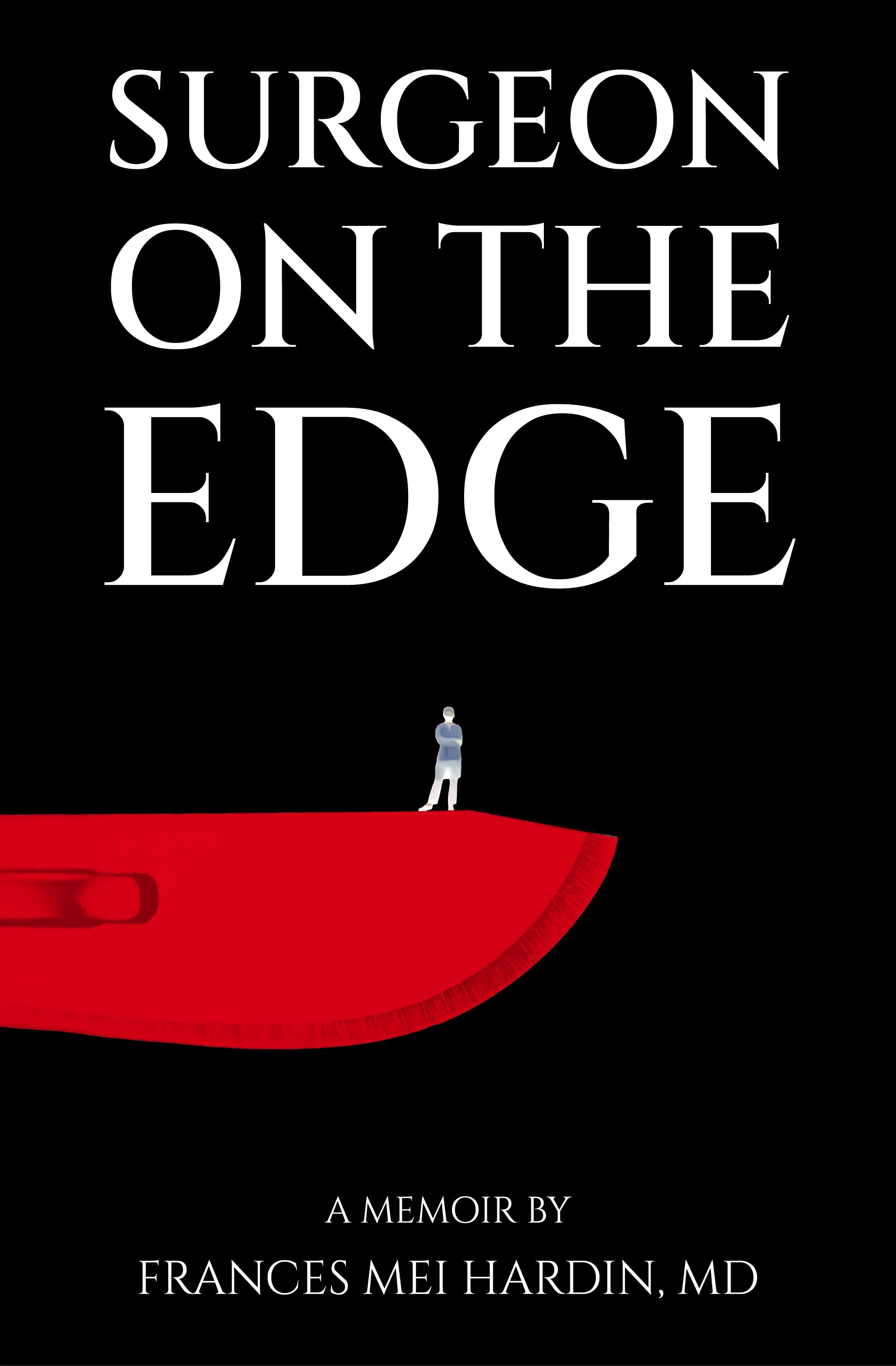
As a physician who went through medical school and residency training in the 1990’s, I’m always on the lookout for books by fellow female physicians that shed the tough outer skin we were taught to wear and dig beneath into the painful underbelly of what it took to get us where we are.
So I was eager to read Surgeon on the Edge (Hippocratic Press, 2026), a new medical memoir by physician Frances Mei Hardin, who recently co-founded the Hippocratic Collective to highlight the voices and experiences of physicians. I was interested to see how Hardin’s experience lined up with mine and my peers: As is the case with other female physicians, I too experienced sexism and harassment throughout training and practice, but I also had inspiring attending physicians and patient experiences that remain precious moments during that time.
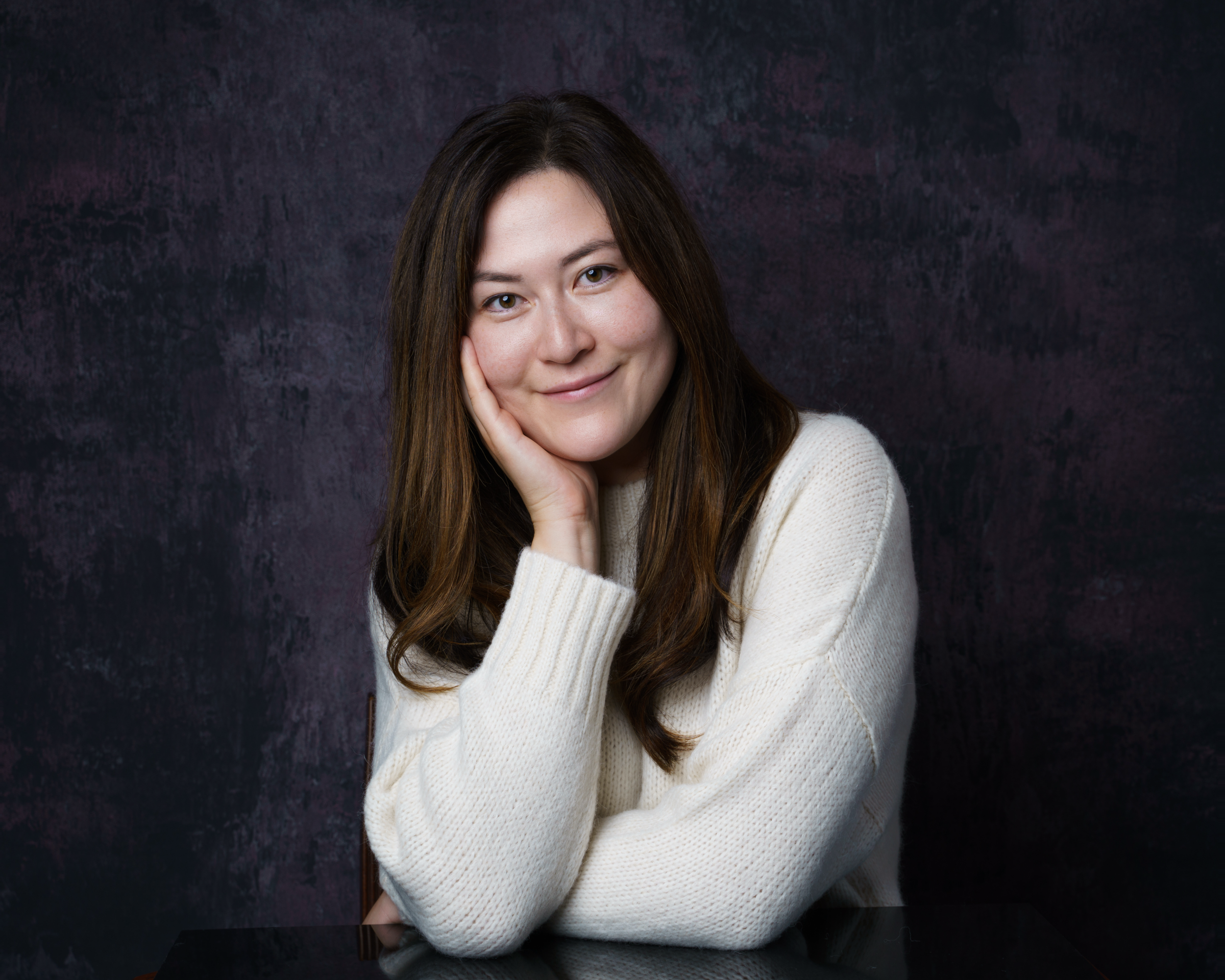
Frances Mei Hardin
Surgical training is notoriously brutal. As a third-year medical student holding retractors in the operating room, I witnessed female surgical residents endure the worst tongue lashings, as they gulped or silently streamed tears into their face masks. Back then I loved working with my hands and found emergent interventional medicine thrilling, but I crossed surgery off the list. I knew what it would do to me.
Surgeon on the Edge portrays what happens to a young woman who bravely takes that risk. This is the story of Hardin’s journey to become an Ear, Nose and Throat doctor (ENT or otolaryngologist) – a competitive specialty in the super competitive field of surgery. Hardin divides the book into stages 0-IV, which like the classification system of cancers it mirrors, reveals her descent into a harrowing existence. She lays bare the abuse and trauma she endures; from the “pimping” and shaming, where attending physicians bash trainees for not quickly answering questions, to the hazing of newbies by senior residents and the terrifying medical situations that routinely arise in the practice of ENT surgery.
Most of us in medicine have heard of carotid blowout syndrome or of the possibility of nicking a nerve in the operating room, but have not been the ones responsible for managing or causing these events. In granular gruesome detail, Hardin describes these and other highly complex clinical scenarios and the fear and shame they provoke in ENT trainees who work in an environment that provides no support for their emotional well-being. If anything, the intent of the program seems to tear trainees down and continually shame them.
It’s also made utterly clear that whatever is hard for men in this program is rendered impossible for women. In her first moments of internship, Hardin is slut-shamed for wearing a tank top to a cardiopulmonary resuscitation (CPR) class with her peers.
At every turn, the five-year program unfolds its cruel agenda. At one point when Hardin has reached “Stage IV: Uncompensated disease has consumed the body. Aggressive treatment necessary, with poor prognosis. Chance of survival: 34%, ” she describes a tense scene with an attending physician while in the operating room:
Clark has cleaned out the submental area and returned to the floor of the neck. ‘What’s this?’ She points to a barely-there structure that looks like a nerve. I’m not immediately sure. I can feel my cheeks flushing beneath my mask.
“I’m not sure,” I respond meekly.
She scoffs behind her mask. “What did you even do to prepare for the case?”
“I read Operative Oto and Myers…” I can feel tears threatening to well up in my eyes. She continues to dissect and present tissue for me to bipolar and cut, but my vision has begun to blur. I direct all my focus on keeping the tears in my eyes, where they belong. “If that’s true,” she responds, each word dripping with vitriol, “then what is this?” She points to what looks to me like another nervous structure…
“I’m not sure,” I reply after a beat. I don’t even know what the last nervous structure was. I don’t even know what muscle that could be in level I. All I know at this point is, I need a moment to collect myself. I can keep the tears from flowing if I just get a second here. Lower lip trembling behind my mask, I quickly add “I’m sorry. I haven’t done many of these before.”Pretty sure this is number two or three, as a first assist.
Her eyes narrow, as she continues to dissect. In a scathing low voice, she says, “There’s no possible way that’s true.”
The tears are flowing freely now (p. 198-199).
Sadly, this scenario is unsurprising to most women in medicine and Hardin’s raw writing effectively unveils this reality for everyone else. Even the schedule, requiring residents to see forty-five patients per clinic day, seems inhuman. More than once, Hardin finds herself crying on the floor only to be paged to handle a new urgent situation. While positive patient interactions and good clinical results provide some reprieve from the crushing blows, even those moments feel blunted and unsatisfying. In one scene, Hardin has narrowly saved a patient from catastrophe and looks forward to seeing them in the clinic for follow up. But the patient only credits the attending physician for the good outcome despite the fact he wasn’t present in the hospital as the crisis unfolded: “How unsatisfying residency is, even when everything goes right “ (p. 135).
Family factors weigh on Hardin as well. Hardin’s mother bombards her daughter with guilt, frequently mentioning that if it weren’t for the Cultural Revolution, she too would have been a doctor. When Hardin calls home for support, the response is: “ It shouldn’t be tough. You have the best job in the world: doctor” (p. 156).
The reader starts to understand how Hardin has landed ‘on the edge’ and turns to drinking heavily, decimating her spirit and her life in an effort to please everyone around her no matter how vicious and unfeeling they are. Fortunately, she takes steps to change things. At the book's outset, Harding has started hypnotherapy to get over her inability to study for her board exam. The sessions are dispersed throughout the book, grounding us in Hardin’s attempt to transform her life in a more holistic way. At the first session she describes having “a mental block since my traumatic residency” (p. 6) about treating common medical conditions. What she remembers instead are the shaming contexts where she confronted them in her training. When the hypnotist intuits a deeper foundation to Hardin’s trauma, she asks: “Why don’t you tell me about your upbringing?” Hardin answers: “I don’t like to talk about my childhood. Can’t we just focus on the problem at hand?” (p. 6).
The reader is left wondering how Hardin will understand and transcend her situation, her choices – her people-pleasing orientation, her willingness to accept the unacceptable, her self-destructive impulses and her pervasive sense of shame for wanting to get away from it all – without going deeper into self-reflection and unearthing the pressure she lives with, which may also involve generational trauma.
Interestingly, Hardin discovers that she shares some physical vulnerabilities with her father who died young and is forced to address these. But she shuts off exploration of the emotional thread connecting her to her mother’s pain. Hardin eventually goes into therapy to control her negative thought patterns, but it’s unclear that those few sessions have given her the chance to unpack the deeper crux of her own pain and shame.
By the end of the book, the reader feels a level of relief witnessing Hardin’s moves to escape from the pressures and expectations she’s shouldered. She finds pleasure in normal everyday life: taking a leisurely walk with her dog, reading books about escaping the traps of being a people pleaser, finding ways to focus on activities that allow her time to discover what she wants for the future.
I’m grateful for the honesty displayed in Surgeon on the Edge—for underscoring the truly damaging and archaic practices that still exist in areas of medical training. Much of it offers an unvarnished, even shocking, perspective that has the potential to induce investigations and deep changes to the medical establishment. —Eve Makoff

Eve Makoff
Eve Makoff, who holds an MA in English and an MS in Narrative Medicine from Columbia University, received her MD from Brown University in 1995 and completed training in internal medicine and nephrology at Cedars-Sinai. She is a palliative care physician and co-editor of Narrative Medicine: A Guidebook to Transforming Hearts and Minds.
