• Mission and Vision
    • The Editors
    • Advisory Board
    • Contact
    • Contributors
    • Fiction
    • Field Notes
    • Non-Fiction
    • Poetry
    • Studio Art Spring 2026
    • Audio and Videos
    • Studio Art Fall 2025
    • Academic
    • SPRING-SUMMER 2026 INTIMA
    • CONTRIBUTORS SPRING 2026
  • CROSSROADS
    • WHERE IT HURTS: DISPATCHES FROM THE EMOTIONAL FRONTLINES OF MEDICINE
    • BOOK REVIEWS
    • Submit a Book Review
    • ARCHIVES UPDATE
    • Academic - A-L
    • Academic - M-Z
    • Fiction - A-L
    • Fiction - M-Z
    • Field Notes - A-L
    • Field Notes - M-Z
    • Multimedia
    • Multimedia Fall 2015
    • Multimedia Fall 2016
    • Non-fiction A-L
    • Non-Fiction M-Z
    • Poetry - A-F
    • Poetry G-L
    • Poetry - M-Z
    • Studio Art Spring 2025
    • Studio Art Fall 2024
    • Studio Art Spring 2024 Fall 2023
    • Studio Art Spring 2023
    • Studio Art Fall 2022
    • Studio Art Spring 2022
    • Studio Art Spring 2021
    • Studio Art Fall 2020
    • Studio Art to 2013
    • Studio Art Spring 2015
    • Studio Art - Fall 2015
    • Studio Art Spring 2016
    • Studio Art Fall 2016
    • Studio Art Spring 2017
    • Studio Art Fall 2017
    • Studio Art + Multimedia Spring 2018
    • Studio Art Fall 2018
    • Studio Art Spring 2019
    • Studio Art -Fall 2019
    • Studio Art Spring 2020
    • Contributors
    • Contributors SPRING 2015
    • Contributors FALL 2015
    • Contributors Fall 2016
    • Contributors Fall 2017
    • Contributors Fall 2018
    • Contributors Fall 2019 Intima
    • Contributors Spring 2020 Intima
    • Contributors Fall 2020 Intima
    • THE ESSAY CONTEST
    • Submission Guidelines
Menu

Intima

Street Address
City, State, Zip
Phone Number
A Journal of Narrative Medicine

Your Custom Text Here

Intima

  • About
    • Mission and Vision
    • The Editors
    • Advisory Board
    • Contact
    • Contributors
  • OUR CURRENT ISSUE
    • Fiction
    • Field Notes
    • Non-Fiction
    • Poetry
    • Studio Art Spring 2026
    • Audio and Videos
    • Studio Art Fall 2025
    • Academic
    • SPRING-SUMMER 2026 INTIMA
    • CONTRIBUTORS SPRING 2026
  • CROSSROADS
  • BOOKS
    • WHERE IT HURTS: DISPATCHES FROM THE EMOTIONAL FRONTLINES OF MEDICINE
    • BOOK REVIEWS
    • Submit a Book Review
  • Archives
    • ARCHIVES UPDATE
    • Academic - A-L
    • Academic - M-Z
    • Fiction - A-L
    • Fiction - M-Z
    • Field Notes - A-L
    • Field Notes - M-Z
    • Multimedia
    • Multimedia Fall 2015
    • Multimedia Fall 2016
    • Non-fiction A-L
    • Non-Fiction M-Z
    • Poetry - A-F
    • Poetry G-L
    • Poetry - M-Z
    • Studio Art Spring 2025
    • Studio Art Fall 2024
    • Studio Art Spring 2024 Fall 2023
    • Studio Art Spring 2023
    • Studio Art Fall 2022
    • Studio Art Spring 2022
    • Studio Art Spring 2021
    • Studio Art Fall 2020
    • Studio Art to 2013
    • Studio Art Spring 2015
    • Studio Art - Fall 2015
    • Studio Art Spring 2016
    • Studio Art Fall 2016
    • Studio Art Spring 2017
    • Studio Art Fall 2017
    • Studio Art + Multimedia Spring 2018
    • Studio Art Fall 2018
    • Studio Art Spring 2019
    • Studio Art -Fall 2019
    • Studio Art Spring 2020
    • Contributors
    • Contributors SPRING 2015
    • Contributors FALL 2015
    • Contributors Fall 2016
    • Contributors Fall 2017
    • Contributors Fall 2018
    • Contributors Fall 2019 Intima
    • Contributors Spring 2020 Intima
    • Contributors Fall 2020 Intima
    • THE ESSAY CONTEST
  • Submissions
    • Submission Guidelines

A Bunny, Beauty and Remembering to Live: A reflection by narrative medicine practitioner Alexis Rehrmann

July 31, 2026 Intima: A Journal of Narrative Medicine

© Memento Mori Danica Snyder Spring 2025 Intima

The bunny drew me in first. She is a well-loved stuffie, fur lightly matted even sketched in pencil, form slightly squashed from years of use. 

Danica Snyder’s “Memento Mori, Memento Vivere” (Spring 2025 Intima) is in vibrant conversation with my essay “Maybe It’s Beautiful,” which I am pleased to have published here a year later in Spring-Summer 2026.

What I love about Snyder’s work is her riotous use of color and pattern and the unresolved ambiguities that lie underneath. A skeletal figure—ambiguous in meaning but celebratory in hot pink—is standing on a magenta field. In the far right corner, a drape of acid green is the background to the lush green leaves of a houseplant. She layers patterns: pebbles of little white pills on top of the blue book cover with repeated stamps of an anatomical heart. The book is Frankenstein and again this ambiguity: Is there horror here, stamped on its spine? 

Snyder draws everyday objects: books, pill bottles, a necklace, things one might find on a bedside table. But these objects are carefully attended to, her composition implies a private altar or ofrenda, an offering, whose meaning is personal, perhaps obscure to the viewer. Everyday here does not mean small or inconsequential; note the background of this illustration. A black mountain range rises against a field of stars. There is something transformational happening with scale. On the left side of the drawing, the orange glow of a salt lamp could just as easily be a rock canyon wall.

This stretch to hold opposites together: size and scale, color and darkness, speaks deeply to stories which appear in “Maybe It’s Beautiful.”  In this essay, I explore the rituals we create to represent miscarriage and pregnancy loss to ourselves and in the world. 

Many of the themes that appear in these stories are illustrated in Snyder’s work. 

First, there's that bunny. In miscarriage and pregnancy loss ritual, we often use objects of childhood to remember a child who never arrived. We find ways to mark the passing within the joyful riot of childhood rituals, with birthday cakes and little toy horses. 

Our stories often feature small objects of everyday life—a small stone, or a basket—and our rituals can play out against the backdrop of mountains, ocean or sky. Like Snyder’s work, we put a small discrete object in context of a larger expanse. 

Both these works find creative ways to hold life and death together. Both understand the deep wisdom, that these two opposites are always in close proximity. That the presence of death teaches us how to live. Memento Mori, Memento Vivere.
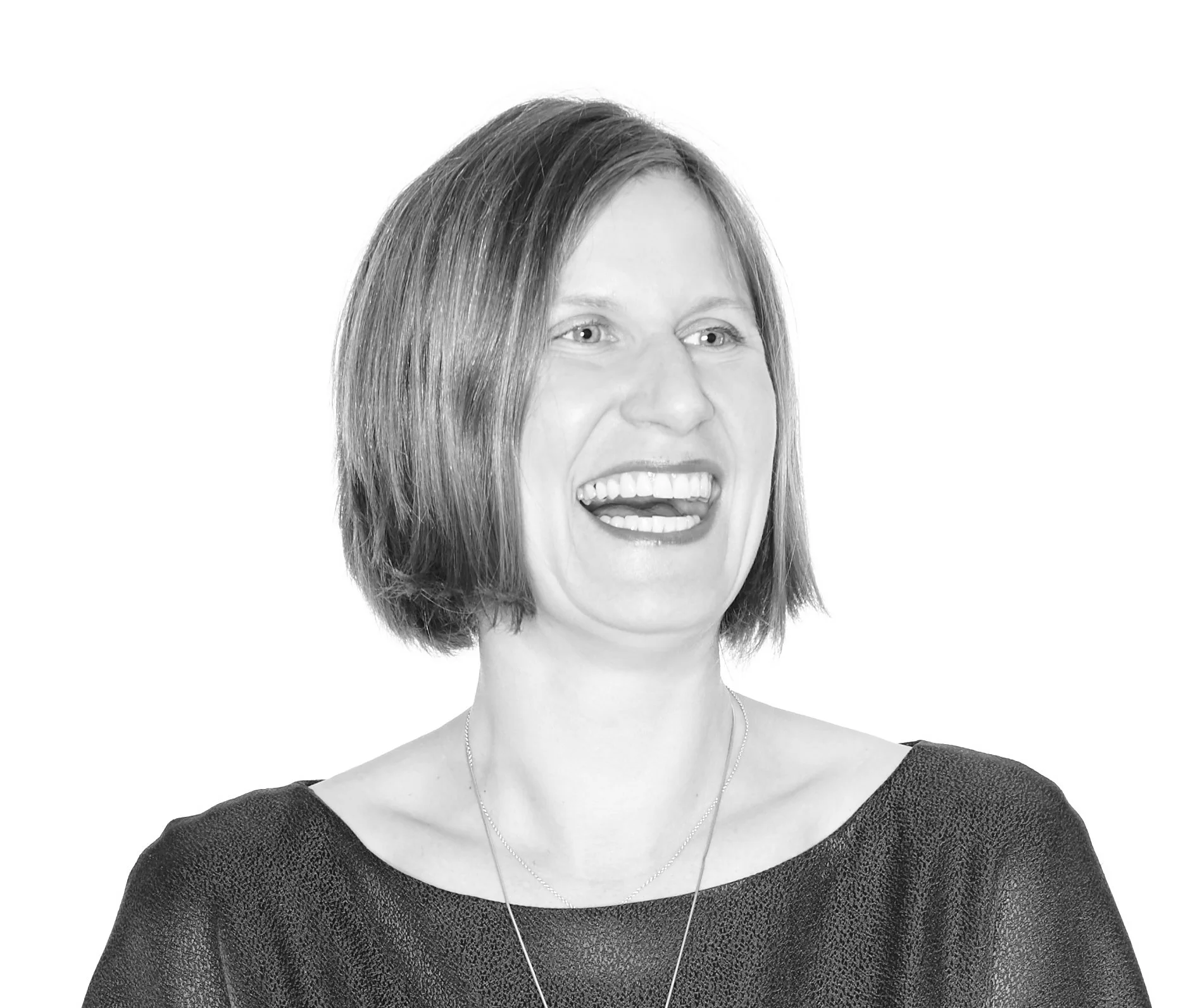

Alexis Rehrmann

Alexis Rehrmann is a writer, editor and narrative medicine practitioner who has pursued the connection between story and healing throughout much of her creative and professional life. Her writing has appeared in the New York Times, Portland Monthly, PDX Parent, Intima ("Your Little Heart Still Stands," Non-Fiction, Spring 2022), the Journal of Medical Humanities OHSU Digital Collections, and Anastomosis. She is program manager at the Lewis & Clark College Center for community and global health and an affiliate of the Northwest Narrative Medicine Collaborative. She holds a CPA in narrative medicine from Columbia University and a BFA in theater from NYU Tisch School of the Arts.

NOTE: The stories “Maybe It’s Beautiful” were gathered with the support of Brief Encounters, a non-profit community pregnancy and infant loss support group in Portland, Oregon. Stories are included with permission from the story teller. This essay is part of a larger work, Conception: A Miscarriage Journal, forthcoming in 2027 from University of West Virginia Press as part of the Connective Tissue, a health humanities and narrative medicine series. 

In death and dying, reflections, art Tags memento mori, ambiguity, ritual, themes, passage, life, death, tension
The Body Holds It All: Love, Labor, and the Weight of Care  by Mildred Galvez →
Summary Block
This block is invalid. Please check the block settings and try again.
Featured
Aenean eu leo Quam

Intima: A Journal of Narrative Medicine
Copyright ©2026
ISSN 2766-628X