Nobody warns you that the cure for a debilitating, often fatal brain disease is a length of silicone tubing with the personality of a retired DMV clerk. But there it is, threaded from my ventricles to my belly, quietly draining the excess cerebrospinal fluid that idiopathic normal pressure hydrocephalus (iNPH) kept pooling in my skull. I named it Norma, short for “normal pressure,” which felt optimistic at the time. Norma has never once lived up to it.
Norma came to mind when reading the non-fiction essay “Edna” (Fall-Winter 2025-26 Intima) by retired neurologist Ann Bebensee. In this encouragingly funny and honestly empathetic piece, Bebensee talks about naming her stoma Edna and all of the life adjustments needed to live with “having a piece of my gut hanging out of my body.”
Before Norma, I was the textbook triad: wet, wacky and wobbly. I shuffled like a man wading through wet cement, forgot why I’d entered rooms I was still standing in and had an uneasy truce with my bladder, which kept breaking it. iNPH is that rare dementia that comes with an undo button, and Norma is the button. Within weeks of her installation I walked. I remembered things. I reached the bathroom with time to spare. Reversal, the neurosurgeon called it. Resurrection, I called it.
But Norma and I have a complicated marriage. Norma is both me and not-me, incorporated yet suspiciously foreign, like a houseguest who reorganized my kitchen and then changed the locks. She is also programmable, which means a stranger with a magnet can adjust my entire disposition in a parking lot, and I have been advised to regard refrigerator doors with suspicion. Every morning I audit myself: Is this a headache or is this The Headache? Is my gait off, or am I merely seventy-seven? Norma never says and drains in dignified silence and leaves the worrying to me. Being device dependent is something I wrote about in my non-fiction essay “Against the Arrow” (Spring-Summer 2026 Intima).
The true indignity is that the machines trust her more than they trust me. I report that something feels off; the scan announces “stable ventricles” with the smug certainty of a device that has never once had to find a bathroom at 3 a.m. I was right, naturally. I am always right about Norma. They adjusted her setting three months later and conceded the point without apology, the way one concedes a point to a cat.
Two revisions in, I confess I’ve grown fond of the old crank. She is gritty, tireless, faintly imperious, and she labors beneath my scalp while I sleep, keeping a fatal disease politely reversed.
So, without reservation, and with only mild resentment: Thank you, Norma.
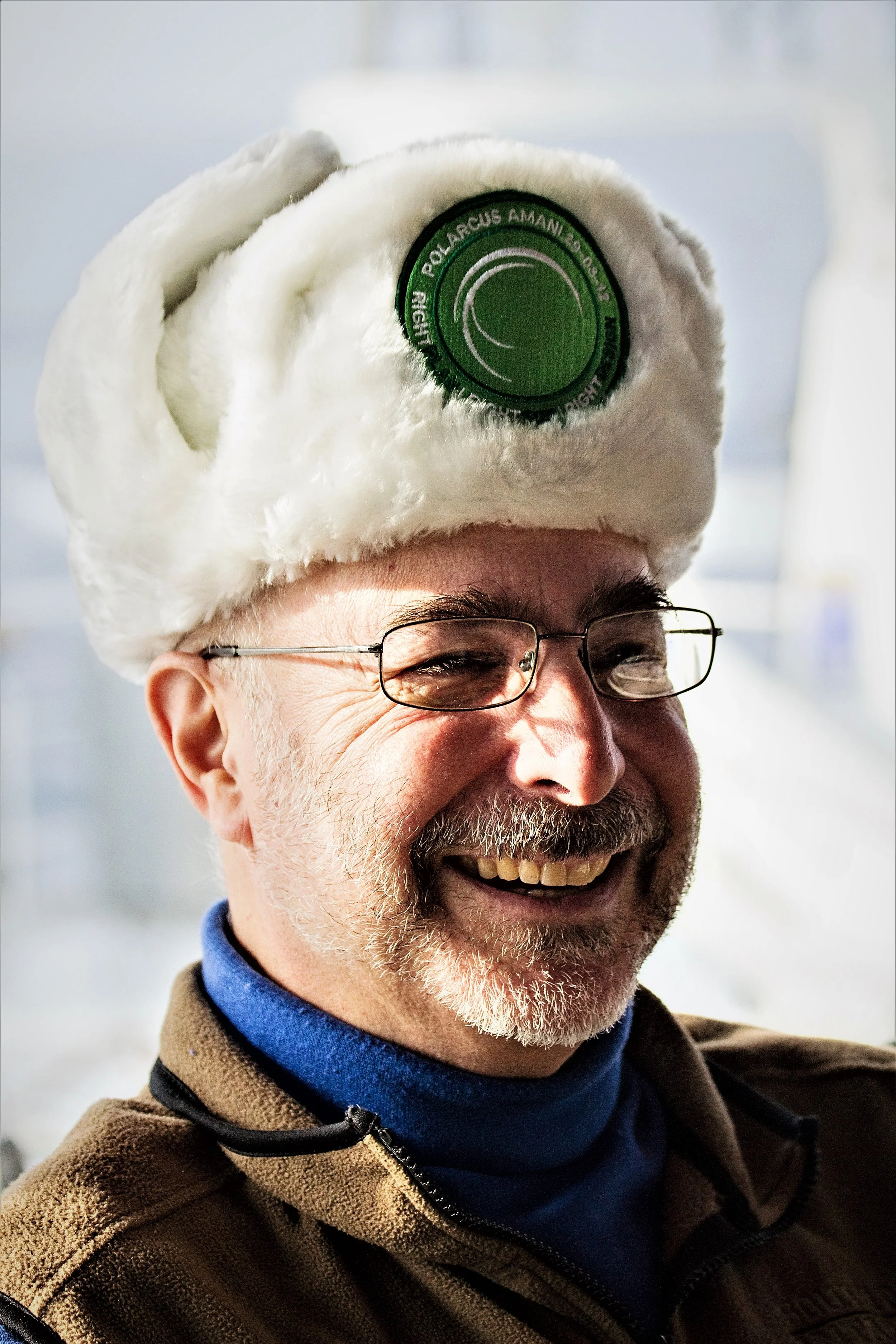
Kenneth Iserson
Kenneth Iserson is a professor emeritus of emergency medicine at the University of Arizona College of Medicine, who has authored over 300 peer-reviewed publications and 15 books including Ethics in Emergency Medicine and Death to Dust: What Happens to Dead Bodies? Iserson served thirty years as medical director of a Level I trauma center and has practiced medicine on all seven continents. As a ventriculoperitoneal shunt patient, he writes from dual physician-patient perspectives about medical ethics, epistemic injustice and device dependence. His non-fiction essay “Against the Arrow” appeared in the Spring-Summer 2026 Intima.
