
In her essay “My Father’s Doctor” (Spring 2016 Intima), Pennsylvania pediatrician Jennifer Chianese purports to write about her father’s relationship with his female doctor and the ways in which that relationship is both rooted in and transcends the traditional roles for women that is his cultural heritage. Her father sees future opportunity for his own daughters in this doctor who would later make headlines by killing her elderly parents. But the secondary story is that of Chianese’s relationship with her father, who became terminally ill when she was just 10 years old, and how she processed through his impending loss. The doctor tells her, “This is a difficult time for your parents. You need to be on your best behavior.”
I took her words very seriously. How could I be better? I felt guilt for times I had been sullen or talked back to my father. Increasingly, I found myself frustrated, angry and, sometimes, even embarrassed by my father. He was not the man I used to know.
But part of Chianese’s processing her father’s loss is claiming his legacy: He has taught her to lean into the beauty of a winter day, to breathe through her fear of a rollercoaster, to make friends of strangers on a crowded boardwalk. The rollercoaster becomes the literal vehicle of her grief, allowing her to scream and cry her pain “in a place where such behavior was culturally sanctioned.”
The complexity of a daughter watching a parent transitioning into death, whether at 37 or at 83, is hardly a new topic. Processing through the pain is ultimately coming to recognize legacy he leaves her. For Chianese, it was learning both to sit in the present moment in awareness and gratitude, and to dream big and take risks to achieve her dreams. For me, it was through the childlike pleasure my father got from limitless curiosity and wonder about the world around him and the way in which he engaged with it. Some of that comes through in words, as I wrote about my own experience in an essay “The Potato Salad Recipe Binder” (Spring 2026 Intima).
Chianese wonders if her father would have envisioned her as a doctor if he had understood the price of dealing with disease, death and sorrow –“intimacy with sadness without the space to grieve.” Perhaps. But perhaps he believed in her capacity to find her way to some kind of balance between her passion and the place to scream and cry pain, whether culturally sanctioned or not. My father certainly had that belief in me.
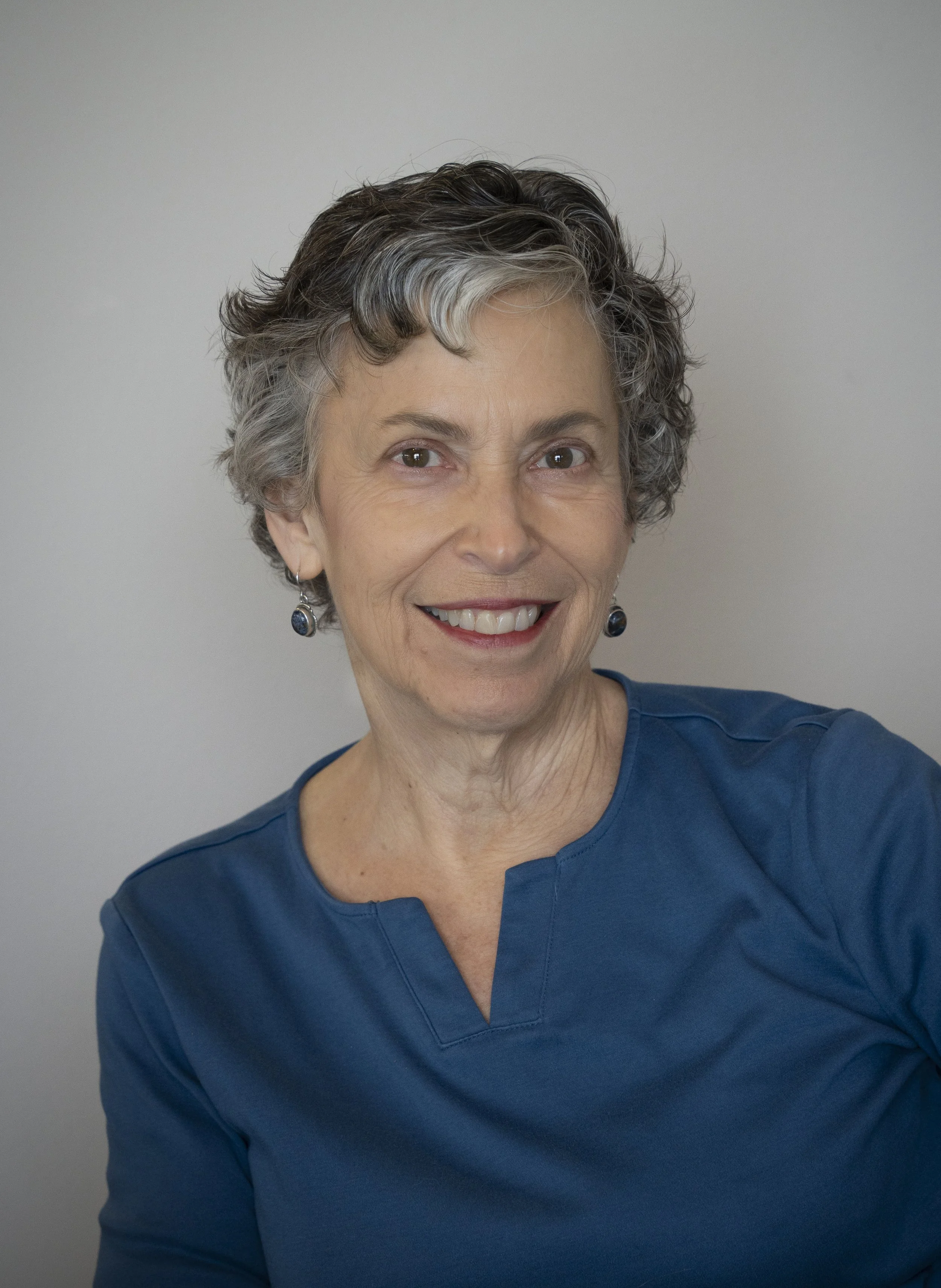
Dixie L. King
Dixie L. King received her PhD in cultural anthropology from UCLA (1996) and an MFA in creative writing from Antioch University Los Angeles (2016). She served as executive director of the International Women's Writing Guild from 2014 to 2018. Her work has appeared in the Home Health Care Quarterly, ERS Spectrum, Women's Studies Journal, The Intima, and Many Mirrors: Body Image and Social Relations. She recently published her fantasy novel, Ithia's Dance, Book 1 in the series The Sun God’s Children (Atmosphere, 2026).
