
Some doctors believe that when a patient is faced with a harsh or terminal prognosis, it’s best to promote hope in that patient. There is beautiful poetry and honesty about this topic in the essays “Doctoring and Disobedience” (Spring 2020 Intima) by Lisa Jacobs, a child, adolescent and adult psychiatrist, and “A Difficult Conversation” (Spring 2021 Intima) by Kelly Elterman, an anesthesiologist and writer in San Antonio, Texas. I urge everyone to read them and consider the value of truth at life’s end.
Jacobs describes her triumph over an attending physician’s insistence on withholding the truth from an older woman who “didn’t know that bitter fights had ensued over whether she should know she was dying.” Since the woman was in no way cognitively impaired, it’s a shocking story. As I read it, I cheered the author’s insubordination and her dedication to truth. I love that she admitted “the most crushing reality of training to be a doctor is that often, you can’t help.”
Elterman graciously shares the story of having to tell her own grandfather he was dying, a conversation she describes as the most difficult of her ten years of practice. Elterman stood firmly on the side of telling the truth, even though in her family’s culture “respect for elders includes not disclosing potentially distressing news.” In doing what she felt was right, Elterman gave her grandfather the gift of recognizing his own goodbye.
My poem “Exit; Stage 4” is a blend of anger and sadness for an opposite outcome for someone I loved deeply, who was denied comfort and perhaps something far greater because his oncologist refused to be honest about his prognosis. This person I loved said yes to difficult surgeries he might have declined had he received the truth about his condition from his doctor.
No one wants to sully hope or have their hope sullied. But sick patients know that doctors are bearers of bad news and they rely on doctors to be truthful. I’d venture a guess that most everyone agrees that while being told there is no hope is harsh, having hope when there should be none is worse.
Each of us will die. If the stars align and there is runway for my departure, I’d like the truth to set me free, and my hope is that I’d get to spend the remainder of my time with the ones I love best.
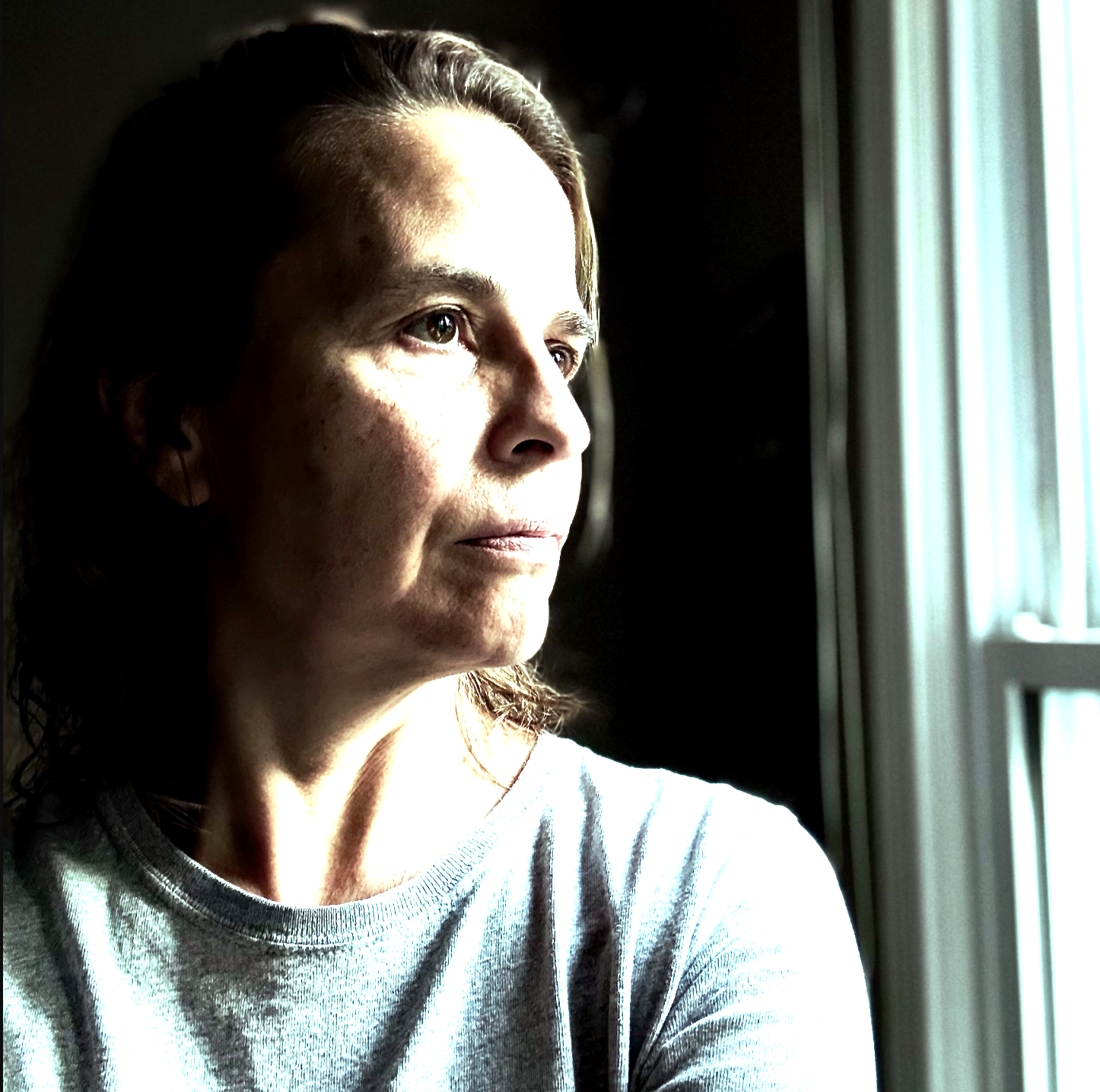
Joan Hill
Joan Hill is a freelance writer with a background in financial planning. Her short fiction has appeared in Fogged Clarity, Prick of the Spindle, and the Penman Review. Her poem, “Exit; Stage 4” appears in the Fall-Winter 2026-27 Intima: A Journal of Narrative Medicine.
