
• Mission and Vision
    • The Editors
    • Advisory Board
    • Contact
    • Contributors
    • Fiction
    • Field Notes
    • Non-Fiction
    • Poetry
    • Studio Art Spring 2026
    • Audio and Videos
    • Studio Art Fall 2025
    • Academic
    • SPRING-SUMMER 2026 INTIMA
    • CONTRIBUTORS SPRING 2026
  • CROSSROADS
    • WHERE IT HURTS: DISPATCHES FROM THE EMOTIONAL FRONTLINES OF MEDICINE
    • BOOK REVIEWS
    • Submit a Book Review
    • ARCHIVES UPDATE
    • Academic - A-L
    • Academic - M-Z
    • Fiction - A-L
    • Fiction - M-Z
    • Field Notes - A-L
    • Field Notes - M-Z
    • Multimedia
    • Multimedia Fall 2015
    • Multimedia Fall 2016
    • Non-fiction A-L
    • Non-Fiction M-Z
    • Poetry - A-F
    • Poetry G-L
    • Poetry - M-Z
    • Studio Art Spring 2025
    • Studio Art Fall 2024
    • Studio Art Spring 2024 Fall 2023
    • Studio Art Spring 2023
    • Studio Art Fall 2022
    • Studio Art Spring 2022
    • Studio Art Spring 2021
    • Studio Art Fall 2020
    • Studio Art to 2013
    • Studio Art Spring 2015
    • Studio Art - Fall 2015
    • Studio Art Spring 2016
    • Studio Art Fall 2016
    • Studio Art Spring 2017
    • Studio Art Fall 2017
    • Studio Art + Multimedia Spring 2018
    • Studio Art Fall 2018
    • Studio Art Spring 2019
    • Studio Art -Fall 2019
    • Studio Art Spring 2020
    • Submission Guidelines
Menu

Intima

Street Address
City, State, Zip
Phone Number
A Journal of Narrative Medicine

Your Custom Text Here

Intima

  • About
    • Mission and Vision
    • The Editors
    • Advisory Board
    • Contact
    • Contributors
  • OUR CURRENT ISSUE
    • Fiction
    • Field Notes
    • Non-Fiction
    • Poetry
    • Studio Art Spring 2026
    • Audio and Videos
    • Studio Art Fall 2025
    • Academic
    • SPRING-SUMMER 2026 INTIMA
    • CONTRIBUTORS SPRING 2026
  • CROSSROADS
  • BOOKS
    • WHERE IT HURTS: DISPATCHES FROM THE EMOTIONAL FRONTLINES OF MEDICINE
    • BOOK REVIEWS
    • Submit a Book Review
  • Archives
    • ARCHIVES UPDATE
    • Academic - A-L
    • Academic - M-Z
    • Fiction - A-L
    • Fiction - M-Z
    • Field Notes - A-L
    • Field Notes - M-Z
    • Multimedia
    • Multimedia Fall 2015
    • Multimedia Fall 2016
    • Non-fiction A-L
    • Non-Fiction M-Z
    • Poetry - A-F
    • Poetry G-L
    • Poetry - M-Z
    • Studio Art Spring 2025
    • Studio Art Fall 2024
    • Studio Art Spring 2024 Fall 2023
    • Studio Art Spring 2023
    • Studio Art Fall 2022
    • Studio Art Spring 2022
    • Studio Art Spring 2021
    • Studio Art Fall 2020
    • Studio Art to 2013
    • Studio Art Spring 2015
    • Studio Art - Fall 2015
    • Studio Art Spring 2016
    • Studio Art Fall 2016
    • Studio Art Spring 2017
    • Studio Art Fall 2017
    • Studio Art + Multimedia Spring 2018
    • Studio Art Fall 2018
    • Studio Art Spring 2019
    • Studio Art -Fall 2019
    • Studio Art Spring 2020
  • Submissions
    • Submission Guidelines

Answering Voltaire’s Call: How do you cultivate your soul garden? A reflection by family medicine nurse and medical humanities advocate Ariel Bugosh Boswell

September 18, 2026 Intima: A Journal of Narrative Medicine

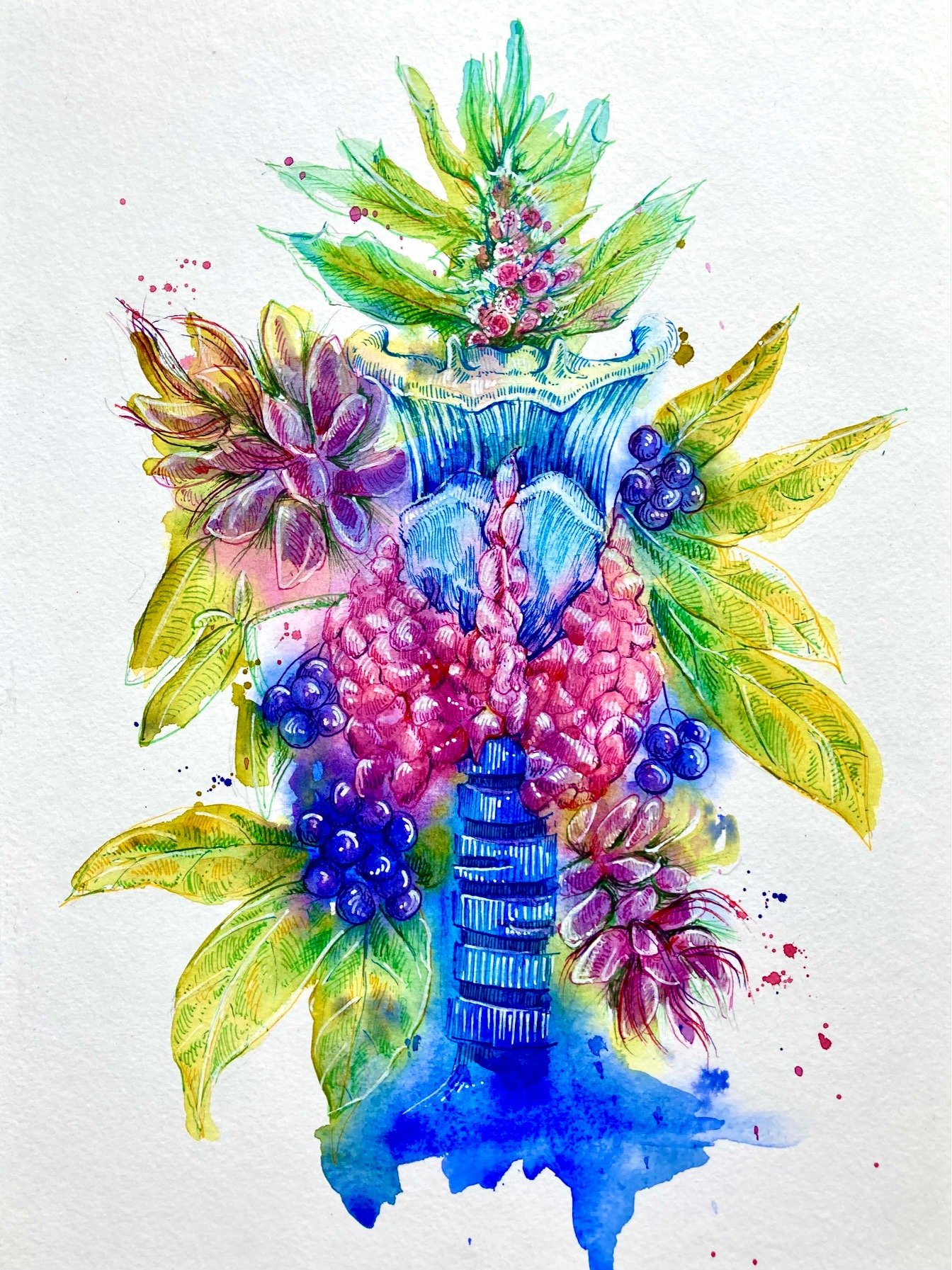
Anatomical Botanical: Thyroid by Sarah Elizabeth Lane

© Anatomical Botanical: Thyroid Sarah Elizabeth Lane Spring 2022 Intima

A real thyroid blushes dark pink, surrounded by lighter fascia and dappled with blood, but artist Sarah Elizabeth Lane’s vivid print “Anatomical Botanicals: Thyroid” (Spring 2022 Intima) transforms the muted tones of internal neck anatomy into a vivid floral bouquet. The trachea, like a striped blue vase, holds up folded red buds of thyroid surrounded by a profusion of berries and leaves. Via email, Lane let me know these plants are açaí and ashwaganda, and that she tries to limit her palette to three colors. Lane’s anatomy-related works push the medical eye to decontextualize the body from an aseptic, gritty, medico-industrial perspective and connect it with the beauty that feeds our souls.

Lane transcends the skin barrier and uses a brighter palette to reflect her world, where, in the words of her bio, her “yard has become a garden and the world has become her studio. She lives in vibrant color and seeks to share the beauty of this world through her art.”  In my essay, “It’s Likely Nothing,” (Spring-Summer 2026 Intima), I also find unexpected visual, even celestial, beauty as ultrasound looks at my thyroid beneath the skin barrier:  “On the screen, I see the nodules. With Doppler, a setting that detects movement and blood flow, some shimmer like living rainbows. One looks like a night full of tiny white stars.”  We see inside ourselves and inside others what we look for outside ourselves.

 So what do we pay attention to? We often focus on appearance, metrics, money and/or success. Yet as Voltaire wrote at the end of the eponymous character’s travels, trials and tribulations in Candide, we must “cultivate our own garden,” whether that be lush peonies or silk orchids, raising a family, caring for patients, or pursuing our calling in the arts.  I recently stepped away from over twelve years in nursing to focus on freelance writing and working with the Mayo Humanities program, where our team offers patients, learners and providers creative outlets in a judgment-free zone. I chose what most fed my soul garden, knowing that would better allow me to serve my community.  The arts lead to co-inspiration and re-inspiration. Reflecting on Lane’s art and biography reminds me to share beauty with others with gratitude and hope, and encourage healthcare professionals and their patients to cultivate their soul gardens by doing what brings them joy.
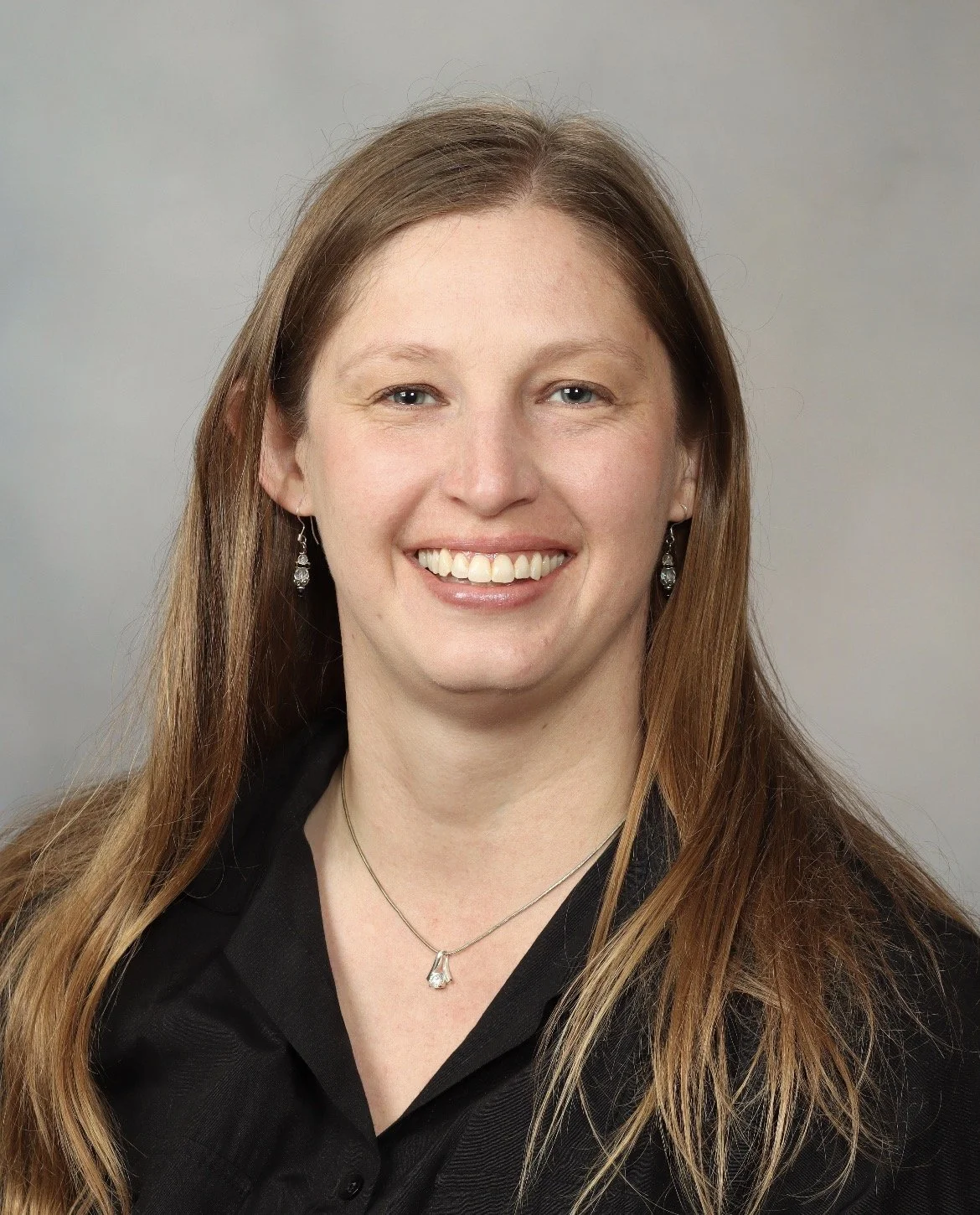

Ariel Bugosh Boswell

Ariel Bugosh Boswell writes poetry and fiction. Her work has appeared in Vox Poetica and the Barefoot Review. She works as a nurse in family medicine and writer-at-the-bedside providing creative writing activities with patients and staff at Mayo Clinic. In addition to her patients, she takes care of her husband, two kids, two dogs and a silk orchid.

In art, chronic illness, doctors, empathy, graphic medicine Tags graphic medicine, attention, empahty, judgement-free zones
What We Hear at the Dinner Table: A reflection by poet Jamie L. Smith about immigrant parents, their children, mental health and conversations we rarely have →
Summary Block
This block is invalid. Please check the block settings and try again.
Featured
Aenean eu leo Quam
Aenean eu leo Quam

Quisque iaculis facilisis lacinia. Mauris euismod pellentesque tellus sit amet mollis.

Read more →

Intima: A Journal of Narrative Medicine
Copyright ©2026
ISSN 2766-628X