
Ellen Chang’s animated short, The Dinner Table (Spring 2026 Intima), beautifully illustrates intergenerational mistranslation, and the difficulty of bridging the divide between first-generation immigrants and their children when it comes to discussions of mental health. As the animation moves between Korean and English, what the daughter intends versus what the father hears, and what the father communicates versus what he means, the dining table at the center of the short lengthens and contracts, the distance between them widening and narrowing as they grapple for understanding.
Chang’s short film directly addresses the suicide epidemic among Korean American youth and compassionately surfaces the generational divide in how mental health is put into language. The moment the table reaches its narrowest point is the space I attempted to illuminate in my poem Closing Time I (Summer 2026 Intima), which centers on the first time I “saw past my father” as a parent and recognized him as a human being struggling with chronic pain and declining health.
Euthanasia and compassionate release remain highly contested in much of the United States. Shortly after my father’s death, which was hastened by “comfort measures,” I moved to South Korea for a visiting professorship. One of the topics my course covered that semester was longevity medicine, and the sociopolitical issues that surround life-extension and end-of-life care. We had a conversation about the difference between suicide and euthanasia. Suicide is a permanent solution to what might prove a temporary problem, whereas euthanasia is release from an intractable condition.
Chang’s animation and my poem are engaged in a conversation about empathy. When a child is afflicted by depression, the most compassionate thing a parent can do is empathize and offer help, to ask “How can I keep you here?” and acknowledge “I have been winter, too” as the father eventually does. When a parent suffers from a terminal illness, sometimes the most compassionate act is to support them in letting go, however much we wish they could stay.
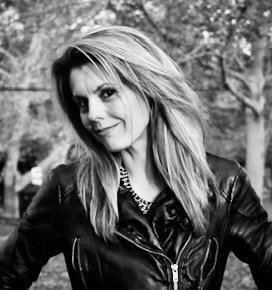
Jamie L. Smith
Jamie L. Smith is the author of the poetry collection The Flightless Years and Trojan Horses: Voices from the Opioid Crisis, winner of the 2025 Unleash Press Book Prize. Her chapbook Mythology Lessons, a notable mention in Best American Essays 2021, was winner of Tusculum Review's 2020 Nonfiction Prize. Her work has been published in Southern Humanities Review, Bellevue Literary Review, Best New Poets, The Good Life Review and anthologies by Indi(e) Blue, Allegory Ridge and Beyond Queer Words. Find more of her work at jlsmithwriter.com
